bATS IN IRELAND

Bats in Ireland: A Complete Guide to Ireland's Native Bat Species
Ireland is home to ten fascinating bat species, making these nocturnal mammals an important part of the country's biodiversity. Understanding Irish bats, their habitats, and their ecological significance is crucial for both conservation efforts and property management. This comprehensive guide covers everything you need to know about bats in Ireland.
Ireland's Native Bat Species
COMMON IRISH BAT SPECIES
Ireland hosts ten distinct bat species, each with unique characteristics and habitat preferences:
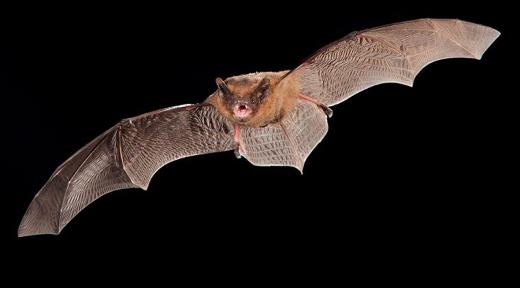
Soprano Pipistrelle (Pipistrellus pygmaeus) The most common bat in Ireland, the soprano pipistrelle weighs just 5-8 grams and has a wingspan of 19-23cm. These tiny mammals emit high-frequency calls around 55kHz and are frequently found roosting in buildings, particularly under roof tiles and in wall cavities.
Common Pipistrelle (Pipistrellus pipistrellus) Slightly larger than their soprano cousins, common pipistrelles are widespread across Ireland. They prefer hunting over water bodies and woodland edges, making them a familiar sight in both rural and urban environments.
Leisler's Bat (Nyctalus leisleri) Ireland's largest resident bat species, Leisler's bats have a wingspan reaching 34cm. They roost primarily in trees but also occupy bat boxes and buildings. These fast-flying bats hunt high above the canopy for flying insects.
Daubenton's Bat (Myotis daubentonii) Known as the "water bat," Daubenton's bats specialize in hunting insects just above water surfaces. They roost in bridges, caves, and buildings near rivers, lakes, and canals throughout Ireland.
LESS COMMON IRISH BAT SPECIES
Brown Long-eared Bat (Plecotus auritus) Distinguished by their enormous ears (nearly as long as their body), brown long-eared bats are woodland specialists. They roost in old buildings, churches, and large trees, emerging late in the evening to hunt moths and other insects.
Whiskered Bat (Myotis mystacinus) Small bats with distinctive facial hair-like bristles, whiskered bats prefer deciduous woodlands and parklands. They often roost in buildings and are more common in the eastern regions of Ireland.
Natterer's Bat (Myotis nattereri) These medium-sized bats are excellent at gleaning insects from surfaces. They roost in buildings, caves, and trees, showing a preference for older structures with suitable crevices.
Lesser Horseshoe Bat (Rhinolophus hipposideros) One of Ireland's rarest bats, lesser horseshoe bats are found primarily in the western regions. They require very specific roosting conditions and are considered a species of special conservation concern.
Nathusius' Pipistrelle (Pipistrellus nathusii) A migratory species that arrives in Ireland during autumn and winter. These bats are slightly larger than common pipistrelles and prefer coastal and wetland areas.
Common Noctule (Nyctalus noctula) Ireland's largest bat, with a wingspan up to 40cm. Common noctules are rare in Ireland, found mainly in the eastern counties, and prefer parkland and woodland habitats.
Bat Habitats in Ireland
NATURAL ROOSTING SITES
Irish bats utilize various natural roosting locations throughout their lifecycle. Tree cavities in mature woodlands provide essential summer roosts, particularly for species like Leisler's bats and brown long-eared bats. Caves and underground spaces serve as important hibernation sites during winter months, with limestone caves in western Ireland being particularly significant for lesser horseshoe bats.
Rock crevices and cliff faces offer alternative roosting options, especially in coastal areas where natural tree cover may be limited. These sites provide the stable temperatures and protection that bats require for both daily rest and seasonal hibernation.
Urban and Building Roosts
Many Irish bat species have adapted to urban environments, making use of buildings for roosting. Roof spaces, wall cavities, and gaps under roof tiles provide ideal summer roosts for pipistrelle species. Churches, old buildings, and bridges offer larger spaces suitable for brown long-eared bats and Daubenton's bats.
Modern buildings can also support bat populations when designed with bat-friendly features or when existing structures develop suitable crevices and access points over time.
Bat Behavior and Lifecycle
FEEDING HABITS
Irish bats are exclusively insectivorous, consuming vast quantities of flying insects each night. A single pipistrelle can eat up to 3,000 midges in one night, making them invaluable for natural pest control. Different species employ various hunting strategies:
Aerial hawkers like Leisler's bats catch insects in open flight, often hunting high above the tree canopy. Gleaning specialists such as brown long-eared bats pick insects directly from leaves and bark surfaces. Water specialists like Daubenton's bats skim insects from water surfaces using their large feet.
SEASONAL ACTIVITY PATTERNS
Irish bats follow distinct seasonal patterns tied to insect availability and temperature. During spring and summer, bats are highly active, feeding intensively to build fat reserves. Female bats form maternity colonies during summer months, gathering in warm roosts to give birth and raise their young.
As temperatures drop in autumn, bats enter a period of reduced activity, seeking out hibernation sites. Winter hibernation typically lasts from November through March, with bats occasionally emerging during warm spells to feed.
REPRODUCTION AND MATERNITY COLONIES
Mating occurs in autumn, but female bats delay embryo development until spring through a process called delayed implantation. This ensures young are born when insect food is most abundant. Maternity colonies can contain dozens to hundreds of female bats, creating warm communal nurseries for raising pups.
Young bats are born hairless and helpless, requiring several weeks of maternal care before they can fly and hunt independently. Most Irish bat species produce only one pup per year, making population recovery slow when numbers decline.
Conservation Status and Legal Protection
LEGAL FRAMEWORK
All Irish bat species receive strict legal protection under both national and European legislation. The Wildlife Act 1976 and European Habitats Directive make it illegal to kill, injure, or disturb bats or their roosts. This protection extends to roost sites even when temporarily unoccupied.
Planning permissions and building work near known bat roosts require ecological surveys and potential mitigation measures. Violations can result in significant fines and legal consequences.
CONSERVATION CHALLENGES
Irish bat populations face numerous threats including habitat loss, building renovations that destroy roosts, light pollution, and climate change. Intensive agriculture has reduced insect abundance in many areas, directly impacting bat food sources.
Wind energy developments pose collision risks for some species, particularly larger bats like Leisler's bats and noctules that fly at turbine height.
CONSERVATION EFFORTS
Bat Conservation Ireland leads research and conservation initiatives across the country. The All-Ireland Dusk Survey engages citizen scientists in monitoring bat populations, while targeted projects focus on species-specific conservation needs.
Habitat management in state forests, the creation of bat-friendly gardens, and the installation of bat boxes all contribute to conservation efforts. Building design guidelines now include recommendations for maintaining bat access and creating new roosting opportunities.
Identifying Bats in Ireland
VISUAL IDENTIFICATION
Identifying Irish bats requires careful observation of size, flight patterns, and habitat preferences. Pipistrelles are the smallest and most common, with jerky, erratic flight patterns. Leisler's bats are much larger with fast, direct flight high above trees.
Brown long-eared bats have unmistakable large ears and slow, fluttering flight close to vegetation. Daubenton's bats fly low over water with characteristic skimming behavior.
ACOUSTIC IDENTIFICATION
Professional bat surveys use ultrasonic detectors to identify species by their echolocation calls. Each species produces distinctive call frequencies and patterns. Soprano pipistrelles call around 55kHz, while common pipistrelles use 45kHz frequencies.
Smartphone apps now allow amateur naturalists to detect and identify some bat species, though professional equipment remains necessary for definitive identification and survey work.
Living with Bats: Property Management
BATS IN BUILDINGS
Finding bats in your property is actually a positive indicator of a healthy local ecosystem. Most bat roosts in buildings cause no structural damage, as bats are clean animals that don't gnaw materials like rodents.
Bat droppings (guano) are dry and crumbly, unlike rodent droppings, and can actually serve as an excellent garden fertilizer. Small amounts of guano rarely cause hygiene issues in domestic settings.
WHEN PROFESSIONAL HELP IS NEEDED
While bats are generally beneficial and legally protected, there are situations where professional wildlife management advice becomes necessary. Large maternity colonies in occupied buildings may create noise or odor concerns during summer months.
Building renovations, roof repairs, or extensions near bat roosts require specialist ecological surveys to ensure legal compliance and bat welfare. Professional wildlife consultants can provide species identification, roost assessments, and mitigation strategies.
Property developers and homeowners should always seek expert advice before undertaking work that might affect bat roosts, as legal requirements can be complex and violation penalties severe.
Benefits of Bats to Ireland's Ecosystem
NATURAL PEST CONTROL
Irish bats provide invaluable ecosystem services through their consumption of flying insects. Research indicates that bats save Irish agriculture millions of euros annually by controlling crop pests naturally. A typical maternity colony of 100 pipistrelles can consume over 30 million insects during a single summer season.
This natural pest control reduces the need for chemical pesticides, benefiting both human health and environmental sustainability. Mosquitoes, midges, and agricultural pests form the bulk of bat diets, directly benefiting outdoor activities and farming operations.
BIODIVERSITY INDICATORS
Bat populations serve as excellent indicators of ecosystem health. Their presence indicates abundant insect populations, suitable habitat connectivity, and relatively low levels of environmental contamination. Declining bat numbers often signal broader environmental problems requiring attention.
Research on bat populations helps scientists understand climate change impacts, habitat fragmentation effects, and the success of conservation management strategies across Irish landscapes.
bATS IN IRELAND FAQ'S