How Do I Get Rid Of A wasp nest
How Do I Get Rid of a Wasp Nest? Safe Removal Methods & Expert Advice
Finding a wasp nest on your property raises an urgent question: "How do I get rid of a wasp nest safely?" While the internet is full of DIY removal methods, most approaches put you at serious risk of multiple stings, burns, incomplete removal, and dangerous wasp attacks. Understanding your options and the associated risks is crucial for making the right decision.
At Exterminate Pest Control, we've seen countless homeowners attempt dangerous DIY wasp nest removal with painful and sometimes life-threatening consequences. This comprehensive guide explains safe removal methods, why professional treatment is essential, and when immediate action is required.
Immediate Safety Assessment: Can You Remove a Wasp Nest Yourself?
Before considering any removal method, assess whether DIY removal is even feasible for your specific situation.
High-Risk Situations Requiring Professional Help:
- Large nests (bigger than a football)
- High locations requiring ladders or roof access
- Multiple nests on your property
- Nests in wall cavities or inaccessible areas
- Anyone allergic to stings in the household
- Nests near children's areas or high-traffic zones
- Aggressive wasp behavior with unprovoked attacks
Potentially Manageable DIY Situations:
- Very small nests (small ball size or smaller)
- Early season nests with minimal wasp activity
- Easily accessible locations at ground level
- Outdoor exposed nests with clear escape routes
- No allergic individuals in the area
Important Warning: Even "manageable" situations carry significant risks. Professional removal eliminates all dangers while ensuring complete elimination.
Understanding Wasp Nest Removal Timing
Timing is critical for any wasp nest removal attempt, whether DIY or professional.
Best Times for Removal:
Early Morning (Dawn):
- Most wasps are inside the nest and less active
- Cooler temperatures reduce wasp aggression
- Better visibility for planning escape routes
- Lower chance of worker wasps returning
Late Evening (Dusk):
- Wasps have returned to the nest for the night
- Reduced flight activity and aggression
- All colony members present for complete treatment
- Cooler temperatures slow wasp reflexes
Worst Times for Removal:
Midday Heat:
- Peak wasp activity and aggression
- Many worker wasps away foraging
- High temperatures increase aggressive behavior
- Maximum danger for sting incidents
Disturbed Weather:
- Wasps become more aggressive before storms
- Rain makes equipment slippery and dangerous
- Poor visibility increases accident risk
- Unpredictable wasp behavior patterns
DIY Wasp Nest Removal Methods: Risks and Reality
Understanding common DIY methods helps you make informed decisions about professional vs. self-removal.
Method 1: Commercial Wasp Sprays
How It Works:
- Aerosol insecticides designed for wasp nest treatment
- Typically contain pyrethrin or pyrethroid compounds
- Applied from distance using directional nozzle
- Kills wasps on contact and provides residual effect
Equipment Needed:
- Wasp Nest Destroyer Foam
- Protective clothing (bee suit recommended)
- Escape route planned and cleared
- Flashlight for early morning/evening application
Risks and Limitations:
- Incomplete penetration of spray into nest interior
- Angry surviving wasps can attack aggressively
- Multiple applications often required
- Chemical exposure risks without proper protection
- Access difficulties for high or hidden nests
Success Rate: 40-60% for small, accessible nests
Method 2: Soapy Water Treatment
How It Works:
- Dish soap mixed with water clogs wasp breathing pores
- Applied using garden sprayer or hose attachment
- Suffocates wasps by preventing respiration
- Environmentally friendly alternative to chemicals
Recipe and Application:
- Mix 2 tablespoons liquid dish soap per gallon of water
- Add to garden sprayer or hose-end sprayer
- Spray directly onto nest entrance and structure
- Repeat applications may be necessary
Risks and Limitations:
- Slower acting than commercial insecticides
- Requires close proximity to nest for effectiveness
- May anger wasps before killing them
- Weather dependent - rain washes away treatment
- Limited penetration into enclosed nest structures
Success Rate: 30-50% for small, exposed nests
Method 3: Professional-Grade Powders
How It Works:
- Insecticidal dust applied to nest entrance
- Wasps carry powder into nest, spreading to colony
- More effective penetration than liquid sprays
- Longer-lasting residual effects
Application Method:
- Most bottles have a nozzle duster for application - as the nest entrance is usually at the bottom of the nest, application can be difficult as powders in bottles don't puff or spray well
- Apply at nest entrance during low activity periods - Requires being in very close proximity to nest
- Dust adheres to wasp bodies and nest surfaces
- Secondary kill occurs as wasps contact treated surfaces
Risks and Limitations:
- Professional equipment required for safe application
- Wind dispersal can reduce effectiveness
- Multiple treatments often necessary
- Access challenges for elevated or hidden nests
- Protective equipment essential for safety
Success Rate: 60-80% when properly applied
Method 4: Vacuum Removal
How It Works:
- Shop vacuum with long hose extension
- Sucks wasps directly from nest entrance
- Immediate removal of flying and crawling wasps
- Physical elimination without chemicals
Equipment Requirements:
- Heavy-duty shop vacuum with strong suction
- Long extension hose for distance operation
- Protective clothing and equipment
- Sealable vacuum bag or container
Risks and Limitations:
- Extremely dangerous if vacuum fails or clogs
- Noise can agitate entire wasp colony
- Incomplete removal of nest structure and eggs
- Equipment failure leaves operator exposed
- Close proximity required despite extension hose
Success Rate: 20-40% with high injury risk
Why DIY Wasp Nest Removal Often Fails
Understanding failure rates helps explain why professional removal is more effective and safer.
Common DIY Failures:
Incomplete Nest Elimination:
- Surface treatment doesn't reach nest interior
- Queen and eggs survive to rebuild colony
- Hidden nest chambers remain untreated
- Secondary nests established nearby
Equipment Inadequacy:
- Consumer products less effective than professional treatments
- Insufficient protective equipment leads to stings
- Wrong application tools for nest type and location
- Safety equipment failure during critical moments
Knowledge Gaps:
- Misidentification of wasp species and behavior
- Poor timing of removal attempts
- Inadequate understanding of nest structure
- Lack of backup plans when primary method fails
Safety Compromises:
- Overconfidence leading to inadequate protection
- Rush to complete removal without proper preparation
- Panic responses when wasps attack
- Failure to plan escape routes and emergency procedures
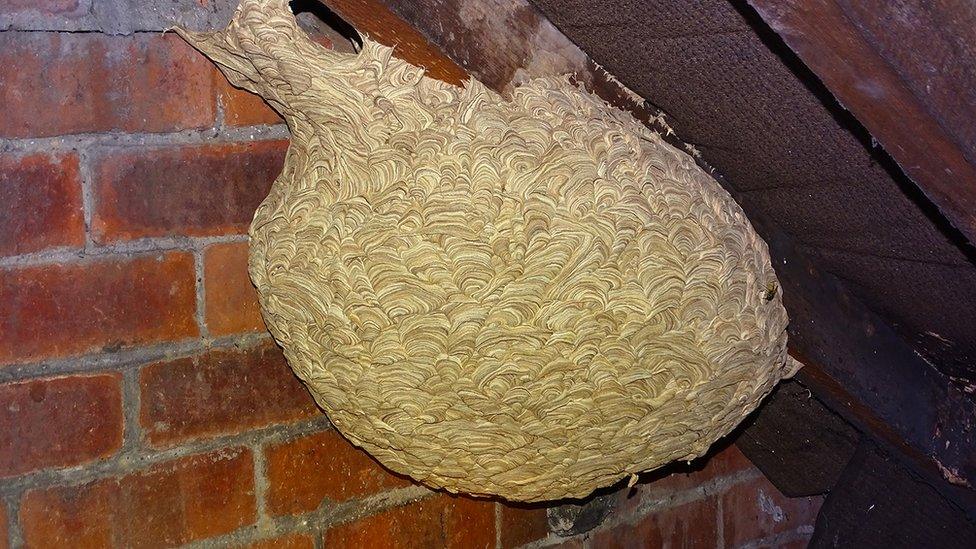
DIY Wasp Nest REMOVAL

Professional Wasp Nest Removal: The Safe, Effective Solution
Professional wasp control eliminates the guesswork, danger, and uncertainty of DIY removal
PROFESSIONAL EQUIPMENT AND METHODS:
Specialized Protective Gear:
- Full bee suits with integrated ventilation
- Multiple layers of sting-proof material
- Professional-grade gloves and boots
- Face protection with clear visibility
Commercial-Grade Treatments:
- Professional insecticides unavailable to consumers
- Multiple treatment options for different situations
- Longer-lasting residual effects
- Environmentally appropriate product selection
Advanced Application Equipment:
- Long-reach injection tools for cavity nests
- High-pressure application systems
- Specialized dusting equipment
- Professional ladder and access systems
Professional Removal Process:
Step 1: Comprehensive Assessment
- Complete property inspection for all nests
- Wasp species identification and behavior analysis
- Risk assessment for occupants and pets
- Treatment strategy development
Step 2: Safety Preparation
- Area evacuation and access control
- Emergency response planning
- Equipment setup and safety checks
- Weather and timing optimization
Step 3: Treatment Application
- Primary nest treatment using appropriate method
- Secondary treatment for surviving wasps
- Nest structure removal when safe
- Area decontamination and cleanup
Step 4: Follow-Up Monitoring
- Return inspection for treatment effectiveness
- Additional treatments if necessary
- Prevention advice and recommendations
- Guarantee coverage for customer protection
Emergency Wasp Nest Situations
Some wasp situations require immediate professional intervention regardless of time or cost.
Life-Threatening Scenarios:
- Multiple wasp attacks on family members
- Allergic reactions to wasp stings
- Nests threatening emergency exits or safety routes
- Large swarms of aggressive wasps
- Children or elderly at risk from wasp activity
Property Emergency Situations:
- Wasps entering living spaces through hidden nests
- Structural damage from large nest construction
- Electrical hazards from nests near wiring
- Multiple species of stinging insects present
- Business operations disrupted by wasp activity
Emergency Response Protocol:
- Evacuate the immediate area and ensure everyone's safety
- Call emergency services if anyone shows signs of severe allergic reaction
- Contact professional pest control for immediate response
- Document the situation with photos from a safe distance
- Avoid DIY attempts that could worsen the emergency
GET PROFESSIONAL WASP NEST REMOVAL TODAY
Don't risk the dangers and uncertainties of DIY wasp nest removal. Professional treatment ensures your family's safety while guaranteeing complete nest elimination.
Exterminate Pest Control - Ireland's Wasp Removal Experts:
Why Choose Our Professional Service:
- Immediate response for emergency wasp situations
- 100% safety guarantee - no risk to you or your family
- Complete nest elimination with follow-up monitoring
- Professional equipment and commercial-grade treatments
- Fully insured technicians with specialized wasp training
- Competitive pricing with transparent cost structure
Our Comprehensive Service Includes:
- Thorough property inspection and risk assessment
- Safe, effective nest removal using professional methods
- Complete wasp colony elimination including queens and eggs
- Property protection during removal process
- Follow-up monitoring and guarantee coverage
- Prevention advice and recommendations
Emergency and Standard Services Available:
- Same-day emergency response for dangerous situations
- Scheduled removal appointments at your convenience
- Multiple nest removal for complex infestations
- Commercial and residential property services
- Annual prevention and maintenance programs
Contact Exterminate Pest Control:
- Website: exterminate.ie
- Email: info@exterminate.ie
- Phone: 085 263 5994
Available 24/7 for Emergency Wasp Removal Across Ireland
Stop asking "How do I get rid of a wasp nest?" and get professional help today. Contact Exterminate Pest Control at 085 263 5994 for safe, guaranteed wasp nest removal across Ireland. Protect your family - let the experts handle dangerous wasp problems.
How Do I Get Rid Of A Wasp Nest
DIYWasp Nest Removal
Wasp Pest Control Dublin, Kildare, Wicklow, Meath, Laois, Carlow, Offaly, Westmeath
info@exterminate.ie
0852635994