What to Do If There's Bats in Your Attic: A Complete Property Owner's Guide
Discovering bats in your attic can be alarming, but with the right knowledge and approach, this situation can be managed safely and legally. Irish property owners must balance immediate concerns with strict wildlife protection laws while addressing potential health, structural, and comfort issues that bats in attics can create.
This comprehensive guide provides step-by-step instructions for identifying, assessing, and professionally managing bat infestations in attic spaces while ensuring compliance with Irish wildlife legislation.
Immediate Steps When You Discover Bats in Your Attic
Don't Panic - Assess the Situation Calmly
Initial Safety Measures:
- Avoid direct contact with bats or their droppings
- Keep children and pets away from the attic area
- Don't attempt to remove bats immediately
- Avoid making loud noises that might agitate the colony
- Resist the urge to seal entry points while bats are present
Document the Discovery:
- Note the time and date of discovery
- Record approximate numbers if visible
- Take photos from a safe distance
- Document any droppings, staining, or odors
- Keep records for potential professional consultation
Understanding Legal Protections
Before taking any action, understand that all Irish bat species receive strict legal protection under the Wildlife Act 1976 and European Habitats Directive. Disturbing bats or their roosts without proper licenses constitutes a criminal offense with significant penalties.
This legal framework means that immediate removal is rarely an option, but professional solutions exist for managing genuine health and safety concerns while respecting conservation requirements.
Identifying Signs of Bats in Your Attic
Primary Indicators
Audible Signs:
- Scratching or scurrying sounds, particularly at dusk and dawn
- High-pitched squeaking or chittering noises
- Flutter of wings during evening hours
- Increased activity sounds during summer months
Visual Evidence:
- Live bats hanging from rafters or walls
- Dark staining around entry points
- Small gaps or holes near the roofline
- Bats flying in and out of roof spaces at dusk
Olfactory Clues:
- Ammonia-like odor from accumulated urine
- Musty smell from guano accumulation
- Stronger odors during warm weather
- Persistent unusual smells despite cleaning
Distinguishing Bat Signs from Other Wildlife
Bat Droppings vs. Rodent Droppings:
- Bat guano: Dry, crumbly, turns to powder when touched
- Mouse droppings: Solid, pellet-shaped, don't crumble
- Rat droppings: Larger, capsule-shaped, remain solid
Activity Patterns:
- Bats: Most active at dusk and dawn
- Rodents: Active throughout night
- Birds: Primarily active during daylight hours
Damage Patterns:
- Bats: No gnawing damage, use existing gaps
- Rodents: Gnaw holes, damage insulation and wiring
- Birds: May build visible nests, leave larger droppings
Assessing the Scope of Your Bat Problem
Determining Colony Size
Small Numbers (1-20 bats):
- May be temporary roosting
- Often individual males or small groups
- Less likely to cause significant problems
- Easier to manage professionally
Medium Colonies (20-100 bats):
- Likely established roost site
- May be seasonal maternity colony
- Moderate impact on attic conditions
- Requires professional assessment
Large Colonies (100+ bats):
- Well-established, long-term roost
- Significant maternity colony during summer
- Substantial impact on air quality and conditions
- Requires comprehensive professional management
Species Identification Considerations
Different bat species create different management challenges:
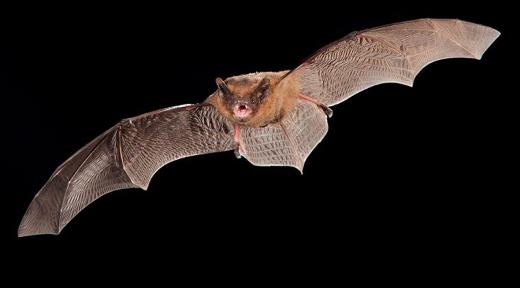
Pipistrelle Species:
- Most common in Irish attics
- Small size allows access through tiny gaps
- Form large maternity colonies
- Relatively easy to exclude when done professionally
Brown Long-eared Bats:
- Prefer older buildings with larger spaces
- Less likely to form huge colonies
- May roost individually or in small groups
- Require specialized management approaches
Lesser Horseshoe Bats:
- Rare but legally significant if present
- Require very specific conservation measures
- Subject to additional legal protections
- Demand specialist ecological consultation
Health and Safety Considerations
Air Quality Impacts
Immediate Concerns:
- Ammonia buildup from accumulated urine
- Dust from dried guano affecting respiratory health
- Increased humidity from bat respiration
- Potential fungal growth in favorable conditions
Long-term Health Risks:
- Histoplasmosis from fungal spores in old guano
- Respiratory irritation for sensitive individuals
- Allergic reactions to bat allergens
- Indoor air quality degradation
Protective Measures:
- Avoid spending extended time in affected attics
- Use N95 masks when brief attic access is necessary
- Ensure adequate ventilation in living spaces below
- Consider air purification systems if odors penetrate living areas
Structural Considerations
Insulation Damage:
- Guano accumulation can compress insulation
- Urine can reduce insulation effectiveness
- Contaminated insulation may require replacement
- Energy efficiency impacts from damaged insulation
Moisture Problems:
- Increased humidity from large colonies
- Potential for mold growth
- Wood rot in extreme cases
- Electrical system impacts from moisture
Access Point Damage:
- Staining around entry points
- Gradual enlargement of access holes
- Weather penetration through bat entry points
- Potential for other pest access
What NOT to Do When You Find Bats in Your Attic
Illegal Actions to Avoid
Never Attempt DIY Removal:
- Sealing entry points while bats are present
- Using poison or harmful chemicals
- Disturbing roosts during breeding season
- Removing bats without proper licenses
Avoid Harmful Deterrents:
- Mothballs or chemical repellents
- Loud noises or ultrasonic devices
- Bright lights left on continuously
- Physical harassment of roosting bats
Don't Ignore Legal Requirements:
- Proceeding with building work without ecological surveys
- Assuming you can remove bats because they're on your property
- Failing to obtain necessary licenses
- Not consulting professionals before taking action
Common Mistakes That Make Problems Worse
Premature Sealing: Sealing entry points while bats are present can trap them inside, leading to deaths that violate wildlife protection laws and create worse odor and health problems.
Inappropriate Timing: Attempting exclusion during breeding season (May-August) is illegal and can result in dependent young dying in inaccessible locations.
Inadequate Assessment: Failing to identify all entry points means bats will find alternative access routes, potentially creating new problems in different areas.
Professional Assessment: What to Expect
Initial Consultation Process
Site Survey Components:
- External building inspection for entry points
- Internal assessment of roost locations
- Species identification using acoustic monitoring
- Population size estimation
- Health and safety risk evaluation
Documentation Requirements:
- Photographic evidence of roosts and damage
- Acoustic recordings for species confirmation
- Detailed mapping of entry points and flight paths
- Assessment of building conditions and maintenance needs
Timeline Considerations:
- Multiple visits may be required for complete assessment
- Seasonal timing affects survey accuracy
- Weather conditions impact bat activity observations
- Breeding season surveys provide most complete data
Legal Compliance Framework
Licensing Requirements: Professional wildlife managers must obtain appropriate licenses from the National Parks and Wildlife Service before disturbing bat roosts or implementing exclusion measures.
Seasonal Restrictions: Most bat management work must occur outside the breeding season (typically September through April in Ireland) to avoid disturbing maternity colonies.
Mitigation Obligations: Legal requirements may include providing alternative roost sites, ongoing monitoring, and habitat enhancement measures to offset any impacts on local bat populations.
Professional Management Solutions
Exclusion Techniques
One-Way Exclusion Devices:
- Specialized tubes that allow bats to exit but prevent re-entry
- Installed at all identified entry points
- Left in place for specified periods to ensure all bats have departed
- Removed and entry points sealed permanently
Timing Protocols:
- Work scheduled during appropriate seasons
- Multiple site visits to ensure complete exclusion
- Monitoring periods to confirm success
- Follow-up inspections to verify long-term effectiveness
Alternative Roost Provision:
- Installation of bat boxes near excluded buildings
- Habitat enhancement to support displaced colonies
- Monitoring of alternative roost usage
- Long-term management planning
Cleaning and Restoration Services
Professional Guano Removal:
- Specialized equipment for safe removal
- Appropriate disposal of contaminated materials
- Disinfection of affected areas
- Air quality testing and improvement
Insulation Replacement:
- Assessment of insulation damage
- Removal of contaminated materials
- Installation of new, appropriate insulation
- Vapor barrier repair or replacement
Structural Repairs:
- Sealing of entry points with appropriate materials
- Repair of any moisture or structural damage
- Preventive measures to avoid future infestations
- Building maintenance recommendations
DIY Prevention Measures (Legal and Safe)
Seasonal Maintenance
Autumn Preparations:
- Inspect roof and eaves for new gaps
- Clean gutters to prevent water damage that creates entry points
- Trim vegetation away from roof lines
- Check and repair loose roof tiles or boards
Spring Assessments:
- Look for new signs of bat activity
- Monitor effectiveness of previous exclusion work
- Assess any winter damage that might create new access
- Plan any necessary professional interventions
Building Modifications
Preventive Sealing (When Legal):
- Seal gaps smaller than 15mm during winter months
- Use appropriate materials that allow building movement
- Ensure modifications don't violate planning requirements
- Consider impact on building ventilation
Lighting Modifications:
- Reduce external lighting that attracts insects
- Use motion sensors rather than constant illumination
- Install appropriate lighting types that minimize bat attraction
- Consider timing of external lighting use
Creating Bat-Friendly Alternatives
Positive Management Approaches
Bat Box Installation:
- Provide alternative roost sites away from buildings
- Install multiple boxes to accommodate different preferences
- Position boxes for optimal temperature and protection
- Monitor usage and maintain boxes appropriately
Habitat Enhancement:
- Plant native species that support insect populations
- Create or maintain water sources for drinking
- Preserve mature trees with natural roosting potential
- Reduce pesticide use to maintain food sources
Garden Management:
- Encourage natural pest control services
- Design landscapes that support local ecosystems
- Maintain dark corridors for bat commuting routes
- Balance human needs with wildlife accommodation
Cost Considerations and Planning
Professional Service Costs
Initial Assessment:
- Site surveys and species identification: €300-800
- Acoustic monitoring and detailed reports: €500-1,200
- Legal compliance consultation: €200-500
- Multiple visit assessments: €800-2,000
Exclusion and Management:
- Small-scale exclusion work: €800-2,500
- Medium colony management: €2,000-5,000
- Large colony comprehensive management: €5,000-15,000
- Ongoing monitoring requirements: €300-800 annually
Restoration and Cleaning:
- Professional guano removal: €500-2,000
- Insulation replacement: €1,000-5,000
- Structural repairs: €500-3,000
- Air quality improvement: €300-1,500
Insurance and Legal Considerations
Insurance Coverage:
- Check policy coverage for wildlife damage
- Understand exclusions for preventable problems
- Document all professional work for claims
- Consider additional coverage for wildlife-related issues
Legal Liability:
- Property owner responsibility for compliance
- Potential penalties for illegal bat disturbance
- Professional liability for licensed contractors
- Long-term monitoring obligations
Seasonal Timing for Bat Management
Optimal Management Periods
September-October:
- Ideal time for exclusion work
- Bats have left maternity roosts
- Young bats are independent
- Weather still allows outdoor work
November-March:
- Continued exclusion opportunities
- Bats in hibernation, less active
- Building work can proceed with proper precautions
- Cold weather may limit some work types
April-May:
- Final opportunities before breeding season
- Increasing bat activity requires careful timing
- Pre-breeding season assessments possible
- Last chance for major exclusion work
Restricted Periods
June-August:
- Maternity season - minimal work permitted
- Young bats present and dependent
- Disturbance can cause colony abandonment
- Emergency situations only with special licenses
bATS In ATtiC FAQ'S

Frequently Asked Questions About Bats in Attics
How did bats get into my attic?
Bats can squeeze through gaps as small as 15mm (about the width of a thumb). Common entry points include gaps under roof tiles, around fascia boards, through damaged soffits, or via access holes for utilities. They often discover these openings while hunting insects around buildings.
Will bats leave on their own?
Established bat roosts are typically used year after year. While individual bats may come and go, colonies often return to the same location annually. Seasonal variations occur, but permanent departure without intervention is unlikely for established roosts.
How many bats might be in my attic?
Colony sizes vary dramatically. Small roosts may contain 5-20 bats, while large maternity colonies can house 200-500 or more individuals. Professional assessment is necessary to determine actual numbers and species involved.
Can I seal the holes to keep bats out?
Only when no bats are present and outside the breeding season. Sealing entry points while bats are inside is illegal and can result in deaths that violate wildlife protection laws. Professional exclusion ensures legal compliance and effectiveness.
Are bats in my attic damaging the structure?
Bats don't gnaw materials like rodents, but large colonies can create problems through guano accumulation, increased humidity, and potential insulation damage. Most structural impacts are minor and easily addressed during professional management.
How long do bats stay in attics?
Maternity colonies typically occupy roosts from May through August, with peak activity in June and July. Some species may use roosts year-round, while others are seasonal. Individual usage patterns vary by species and local conditions.
What's the difference between bats and other attic pests?
Bats don't gnaw or chew materials, are active primarily at dusk and dawn, and their droppings crumble to powder. Rodents are active throughout the night, cause gnawing damage, and produce solid droppings. Birds are active during daylight and may build visible nests.
Can I use repellents to get rid of bats?
Commercial repellents are generally ineffective against bats and may violate wildlife protection laws. Chemical deterrents can also pose health risks to humans and pets. Professional exclusion methods are the only reliable and legal solution.
How much does professional bat removal cost?
Costs vary based on colony size, building complexity, and required work. Simple exclusion might cost €800-2,500, while comprehensive management of large colonies can range from €5,000-15,000. Initial assessments typically cost €300-800.
Will bats come back after professional removal?
Properly executed exclusion work by licensed professionals typically provides long-term solutions. However, bats may attempt to return or find new entry points, which is why ongoing monitoring and maintenance are important.
What should I do while waiting for professional help?
Maintain distance from roosting areas, avoid disturbing the bats, document any changes in activity, and take basic precautions like using masks if brief attic access is necessary. Don't attempt DIY solutions that might violate wildlife protection laws.
Can bats in attics affect my family's health?
With proper precautions, health risks are minimal. Avoid prolonged exposure to areas with significant guano accumulation, ensure good ventilation in living spaces, and seek professional assessment if respiratory symptoms develop in household members.
Emergency BAT Situations and Urgent Response
When Immediate Action is Needed
Structural Damage:
- Large colony causing immediate building damage
- Electrical system impacts from moisture
- Ceiling collapse risk from accumulated waste
- Emergency repairs needed during breeding season
Health Emergencies:
- Severe respiratory reactions in household members
- Confirmed disease transmission incidents
- Medical conditions aggravated by bat presence
- Indoor air quality reaching dangerous levels
Legal Emergencies:
- Building work that cannot be delayed
- Emergency repairs affecting bat roosts
- Compliance deadlines for development projects
- Urgent licensing requirements
Emergency Response Protocols
Immediate Professional Consultation: Emergency wildlife management services can assess urgent situations and determine appropriate responses within legal frameworks.
Health Authority Notification: Severe health impacts may require notification of local health authorities and coordination with medical professionals.
Regulatory Coordination: Emergency situations may require special licenses or permissions from the National Parks and Wildlife Service.
Long-term Management and Monitoring
Ongoing Responsibilities
Annual Inspections:
- Monitor effectiveness of exclusion work
- Check for new entry points or damage
- Assess any changes in local bat populations
- Maintain alternative roost provisions
Building Maintenance:
- Regular roof and eaves maintenance
- Prompt repair of weather damage
- Appropriate landscaping management
- Continued compliance with wildlife obligations
Professional Relationships:
- Maintain contact with licensed wildlife managers
- Regular updates on local bat populations
- Access to emergency consultation services
- Ongoing legal compliance support
Success Indicators
Effective Management:
- No new bat activity in excluded areas
- Use of provided alternative roosts
- Maintained building integrity
- Compliance with all legal requirements
Long-term Benefits:
- Improved indoor air quality
- Reduced maintenance issues
- Enhanced property value
- Contributing to bat conservation efforts
Professional Wildlife Management Services
Managing bats in attics requires specialized expertise that balances immediate property concerns with strict legal protections and conservation requirements. Professional wildlife management provides comprehensive solutions that address health and safety concerns while ensuring compliance with Irish wildlife legislation.
Comprehensive Assessment and Planning:
- Species identification and population assessment
- Legal compliance planning and licensing
- Health and safety risk evaluation
- Long-term management strategy development
Expert Implementation:
- Licensed exclusion work during appropriate seasons
- Professional cleaning and restoration services
- Alternative roost provision and habitat management
- Ongoing monitoring and maintenance support
Legal Compliance Assurance:
- Full understanding of wildlife protection requirements
- Appropriate licensing for all management activities
- Seasonal timing compliance
- Documentation for regulatory authorities
Contact Information
For professional assessment and management of bats in attics, expert wildlife consultation, or emergency response services:
Website: exterminate.ie Email: info@exterminate.ie
Phone: 085 263 5994
Conclusion: Professional Management for Peace of Mind
Discovering bats in your attic requires immediate professional consultation to ensure legal compliance while addressing legitimate health and safety concerns. While the situation may seem overwhelming, experienced wildlife managers can provide effective solutions that protect both property owners and Ireland's valuable bat populations.
Professional management ensures that exclusion work is timed appropriately, conducted legally, and implemented effectively for long-term success. Investment in proper professional services prevents costly legal problems, protects family health, and contributes to conservation of Ireland's important bat species.
Early professional intervention typically results in more cost-effective solutions and better outcomes for all involved. Don't delay in seeking expert consultation when bats in your attic create concerns for your property or family's wellbeing.
This article provides general guidance for property owners discovering bats in attics. For specific assessment, legal compliance, and professional management services, always consult licensed wildlife management professionals with appropriate expertise and regulatory approvals.
© Copyright Exterminate Pest Control Solutions
Exterminate Bats Guide Ireland
Bats In My Attic & Roof
Pest Tips For Getting Bats Out Of Roof
info@exterminate.ie 0852635994