IRISH BEES - A GUIDE TO IRISH BEES
Irish Bees: The Complete Guide to Ireland's Native Pollinators and Their Conservation
Ireland's emerald landscapes are home to over 100 species of native bees, making the country a crucial habitat for European bee populations. From the iconic Irish honeybee to rare solitary species found nowhere else in the world, Irish bees play an essential role in maintaining the country's biodiversity and agricultural productivity. This comprehensive guide explores everything you need to know about Irish bees, their habitats, conservation challenges, and how you can help protect these vital pollinators.
Table of Contents
- Introduction to Irish Bees
- Types of Irish Bees
- Native Irish Bee Species
- Irish Bee Habitats
- The Role of Irish Bees in Agriculture
- Conservation Challenges
- Irish Bee Conservation Efforts
- How to Help Irish Bees
- Irish Bee Research and Science
- Cultural Significance of Bees in Ireland
- Future of Irish Bees
Introduction to Irish Bees {#introduction}
Irish bees represent one of Europe's most diverse and important pollinator populations. With over 100 documented species across Ireland, these remarkable insects contribute an estimated €53 million annually to Irish agriculture through their pollination services. The Irish bee population includes honeybees, bumblebees, and numerous solitary bee species, each playing a unique role in maintaining Ireland's ecological balance.
The island of Ireland, with its mild oceanic climate and diverse habitats ranging from coastal dunes to mountain moorlands, provides ideal conditions for many bee species. Irish bees have evolved alongside native plants over thousands of years, creating intricate relationships that form the foundation of Ireland's natural ecosystems.
Understanding Irish bees is crucial for anyone interested in Irish wildlife, gardening, agriculture, or environmental conservation. These pollinators face unprecedented challenges from habitat loss, climate change, and disease, making their conservation a priority for maintaining Ireland's biodiversity.
Types of Irish Bees {#types}
Irish Honeybees (Apis mellifera mellifera)
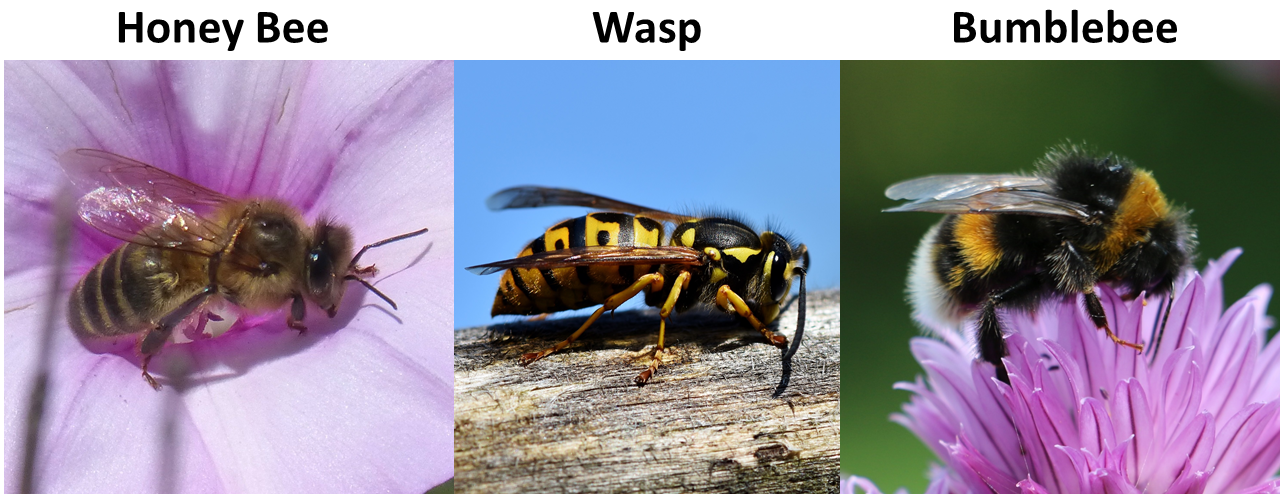
The Irish honeybee, scientifically known as Apis mellifera mellifera, is a distinct subspecies of the European honeybee that has adapted to Ireland's unique climate conditions over millennia. These bees are characterized by their dark coloration, robust build, and exceptional ability to survive Ireland's wet, cool summers and mild winters.
Irish honeybees are social insects living in colonies of 20,000 to 80,000 individuals during peak season. They are known for their:
- Superior cold tolerance compared to other honeybee subspecies
- Efficient foraging behavior in low-light conditions
- Strong clustering ability during poor weather
- Resistance to certain diseases and parasites
These characteristics make Irish honeybees particularly valuable for sustainable beekeeping practices and essential for maintaining genetic diversity in European honeybee populations.
Irish Bumblebees
Ireland hosts 21 species of bumblebees, including several that are rare or endangered elsewhere in Europe. Bumblebees are larger than honeybees and have distinctive fuzzy bodies that make them efficient pollinators in cool, wet conditions.
Common Irish Bumblebee Species:
- Buff-tailed Bumblebee (Bombus terrestris) - Ireland's most common bumblebee species
- White-tailed Bumblebee (Bombus lucorum) - Abundant in gardens and agricultural areas
- Red-tailed Bumblebee (Bombus lapidarius) - Distinctive red-orange tail coloration
- Garden Bumblebee (Bombus hortorum) - Long-tongued species excellent for deep flowers
Rare Irish Bumblebee Species:
- Great Yellow Bumblebee (Bombus distinguendus) - Critically endangered, found mainly in western islands
- Moss Carder Bee (Bombus muscorum) - Declining species requiring conservation attention
- Bilberry Bumblebee (Bombus monticola) - Mountain specialist found in upland areas
Irish Solitary Bees
Over 70 species of solitary bees call Ireland home, representing the most diverse group of Irish bees. Unlike social bees, solitary bees live independently, with each female constructing her own nest and provisioning it with pollen and nectar for her offspring.
Major Groups of Irish Solitary Bees:
Mining Bees (Andrena species): The largest group of Irish solitary bees, with over 20 species. These bees excavate tunnels in sandy soil and are among the first bees to emerge in spring.
Leafcutter Bees (Megachile species): Known for cutting circular pieces from rose and other broad-leafed plants to line their nests. They are efficient pollinators of legumes and other crops.
Mason Bees (Osmia species): These bees use mud to construct their nests in cavities, making them excellent candidates for bee hotels and urban pollinator gardens.
Plasterer Bees (Colletes species): Unique among Irish bees for their ability to produce waterproof cell linings, allowing them to nest in challenging environments.
Native Irish Bee Species {#native-species}
The Irish Honeybee: A Unique Subspecies
The Irish honeybee (Apis mellifera mellifera) is considered a distinct ecotype within the European dark bee subspecies. Genetic studies have shown that Irish honeybees possess unique characteristics that distinguish them from other European populations:
Genetic Distinctiveness:
- Mitochondrial DNA analysis reveals Irish honeybees have maintained genetic isolation
- Morphometric studies show distinct body measurements and proportions
- Wing venation patterns are characteristic of the Irish population
Adaptive Characteristics:
- Enhanced cold tolerance allowing activity at lower temperatures
- Efficient foraging in high humidity and overcast conditions
- Extended clustering behavior during adverse weather
- Seasonal brood rearing patterns adapted to Ireland's climate
Endemic and Rare Species
Several bee species found in Ireland are particularly rare or have restricted distributions:
Bombus distinguendus (Great Yellow Bumblebee): Once widespread across Ireland, this species is now restricted to the western islands and coastal areas of Donegal. The Malin Head population represents one of the last mainland strongholds for this species in Ireland.
Andrena fucata (Painted Mining Bee): A rare solitary bee species with a limited distribution in Ireland, primarily found in coastal areas with suitable nesting sites.
Lasioglossum smeathmanellum (Smeathman's Furrow Bee): A small solitary bee species that requires specific soil conditions and is vulnerable to habitat changes.
Irish Bee Habitats {#habitats}
Coastal Habitats
Ireland's extensive coastline provides crucial habitat for many bee species. Coastal dunes, clifftop grasslands, and salt marshes support specialized bee communities adapted to these challenging environments.
Key Coastal Plants for Irish Bees:
- Sea thrift (Armeria maritima)
- Kidney vetch (Anthyllis vulneraria)
- Bird's-foot trefoil (Lotus corniculatus)
- Sea campion (Silene uniflora)
- Coastal ragwort (Jacobaea vulgaris)
The Great Yellow Bumblebee depends heavily on coastal habitats, particularly areas with abundant bird's-foot trefoil and kidney vetch. These plants provide both nectar and pollen resources throughout the bee's active season.
Traditional Hay Meadows
Ireland's traditional hay meadows represent some of the country's most important bee habitats. These species-rich grasslands contain dozens of flowering plants that provide food for bees throughout the growing season.
Characteristic Plants of Irish Hay Meadows:
- White clover (Trifolium repens)
- Red clover (Trifolium pratense)
- Common vetch (Vicia sativa)
- Meadow buttercup (Ranunculus acris)
- Ox-eye daisy (Leucanthemum vulgare)
- Knapweed (Centaurea nigra)
These meadows are managed through traditional farming practices, with late cutting (after August) allowing plants to flower and set seed before harvest.
The Burren: A Unique Bee Habitat
The Burren in County Clare represents one of Ireland's most unusual and important bee habitats. This limestone landscape supports a unique assemblage of Mediterranean, Arctic, and Atlantic plant species, creating diverse foraging opportunities for bees.
Burren Plants Important for Bees:
- Spring gentian (Gentiana verna)
- Mountain avens (Dryas octopetala)
- Bloody cranesbill (Geranium sanguineum)
- Wild thyme (Thymus polytrichus)
- Hawthorn (Crataegus monogyna)
The Burren's microclimatic variations and diverse plant communities support many rare and specialized bee species, making it a priority area for bee conservation.
Urban and Garden Habitats
Irish cities and towns are increasingly important for bee conservation. Urban areas can provide diverse flowering resources and nesting sites, particularly when managed with pollinators in mind.
Urban Plants Valuable for Irish Bees:
- Lavender (Lavandula species)
- Rosemary (Rosmarinus officinalis)
- Catmint (Nepeta species)
- Sedum (Sedum species)
- Native wildflowers in parks and verges
Dublin, Cork, and other Irish cities have implemented pollinator-friendly management in public spaces, contributing significantly to urban bee conservation.
The Role of Irish Bees in Agriculture {#agriculture}
Economic Value of Irish Bee Pollination
Irish bees contribute significantly to the country's agricultural economy. Recent studies estimate that insect pollination, primarily by bees, adds €53 million annually to Irish crop production. This figure represents direct economic benefits and doesn't account for the broader ecosystem services provided by bees.
Key Irish Crops Dependent on Bee Pollination:
- Apples: 90% dependent on bee pollination
- Strawberries: 85% dependent on bee pollination
- Oilseed rape: 80% dependent on bee pollination
- Field beans: 75% dependent on bee pollination
- Carrots: 70% dependent on bee pollination (for seed production)
Clover and Grassland Production
Ireland's grass-based agriculture system depends heavily on white clover (Trifolium repens) and red clover (Trifolium pratense) for nitrogen fixation and livestock nutrition. Bees are essential for clover seed production and maintaining genetic diversity in clover populations.
Benefits of Bee-Pollinated Clover:
- Enhanced nitrogen fixation in grasslands
- Improved soil fertility and structure
- Reduced need for synthetic fertilizers
- Higher protein content in animal feeds
- Increased biodiversity in agricultural landscapes
Sustainable Farming Practices
Irish farmers are increasingly adopting bee-friendly practices that benefit both agricultural productivity and pollinator conservation:
Integrated Pest Management: Reducing pesticide use and timing applications to minimize bee exposure.
Hedgerow Management: Maintaining diverse hedgerows that provide nesting sites and year-round food sources for bees.
Wildflower Strips: Creating margins of native wildflowers within agricultural fields to support bee populations.
Diverse Crop Rotations: Including pollinator-friendly crops like phacelia and buckwheat in rotation systems.
Conservation Challenges Facing Irish Bees {#challenges}
Habitat Loss and Fragmentation
The primary threat to Irish bees is the loss and fragmentation of suitable habitats. Agricultural intensification, urban development, and changes in land management practices have reduced the availability of flowering plants and nesting sites across much of Ireland.
Specific Habitat Losses:
- Conversion of species-rich grasslands to intensive agriculture
- Loss of traditional hay meadows to silage production
- Drainage of wetlands and modification of water courses
- Urban development of greenfield sites
- Intensification of forestry practices
Climate Change Impacts
Ireland's changing climate poses significant challenges for bee populations. While some species may benefit from warmer temperatures, others face disruption to their life cycles and food sources.
Climate Change Effects on Irish Bees:
- Phenological mismatches between bee emergence and plant flowering
- Increased frequency of extreme weather events
- Altered precipitation patterns affecting plant growth
- Northward range shifts of some species
- Potential loss of cold-adapted species
Disease and Parasite Pressure
Irish bees face increasing pressure from diseases and parasites, many of which have spread globally through human activities.
Key Threats:
- Varroa mite (Varroa destructor): Devastating honeybee colonies since arriving in Ireland in the 1990s
- Nosema disease: Microsporidian parasites affecting bee gut health
- Deformed wing virus: Transmitted by Varroa mites, causing wing deformities
- Chalk brood: Fungal disease affecting bee larvae
- Tracheal mites: Parasites affecting bee respiratory systems
Pesticide Impacts
The use of pesticides in agriculture and urban areas poses risks to Irish bee populations. Neonicotinoids, in particular, have been linked to bee declines globally.
Pesticide Effects on Bees:
- Acute toxicity causing immediate bee deaths
- Sublethal effects on bee behavior and navigation
- Reduced reproductive success in queen bees
- Weakened immune systems increasing disease susceptibility
- Contamination of pollen and nectar stores
Irish Bee Conservation Efforts {#conservation}
The All-Ireland Pollinator Plan
Launched in 2015, the All-Ireland Pollinator Plan represents one of Europe's most comprehensive pollinator conservation strategies. This initiative aims to make Ireland a pollinator-friendly island through coordinated action across all sectors of society.
Key Objectives:
- Increase the amount of pollinator-friendly habitat
- Raise awareness about pollinator conservation
- Coordinate research and monitoring efforts
- Develop sustainable funding mechanisms
- Create pollinator-friendly communities
Achievements (2015-2024):
- Over 2,000 organizations signed up as partners
- Creation of thousands of hectares of pollinator-friendly habitat
- Development of evidence-based management guidelines
- Implementation of pollinator-friendly practices in 31 county councils
- Establishment of monitoring protocols for key species
Native Irish Honey Bee Society
The Native Irish Honey Bee Society (NIHBS) works to conserve and protect Ireland's native honeybee population. Their efforts focus on:
Conservation Breeding Programs:
- Maintaining pure Irish honeybee breeding stock
- Genetic testing to verify bee ancestry
- Distribution of queen bees to registered beekeepers
- Training programs for sustainable beekeeping
Research Initiatives:
- Population genetics studies
- Disease resistance research
- Climate adaptation studies
- Morphometric analysis of bee populations
Local Conservation Groups
Numerous local organizations across Ireland contribute to bee conservation:
Dublin Bay Biosphere Partnership: Promoting pollinator-friendly practices in the Dublin region.
Cork Environmental Forum: Coordinating urban bee conservation efforts in Cork city and county.
Galway Pollinator Network: Engaging communities in pollinator habitat creation across Galway.
Kerry Eco-Tourism: Integrating bee conservation into sustainable tourism practices.
Government Initiatives
The Irish government supports bee conservation through various policies and funding mechanisms:
Agri-Climate Rural Environment Scheme (ACRES): Provides payments to farmers for implementing pollinator-friendly practices.
National Biodiversity Action Plan: Includes specific targets for pollinator conservation.
EU Common Agricultural Policy: Supports biodiversity measures that benefit pollinators.
Local Authority Pollinator Awards: Recognizes outstanding contributions to pollinator conservation.
How to Help Irish Bees {#help}
Garden for Bees
Creating bee-friendly gardens is one of the most effective ways individuals can help Irish bees. Focus on providing diverse flowering plants throughout the growing season.
Best Plants for Irish Bees:
Spring (March-May):
- Willow (Salix species)
- Dandelion (Taraxacum officinale)
- Primrose (Primula vulgaris)
- Bluebells (Hyacinthoides non-scripta)
- Cherry blossom (Prunus species)
Summer (June-August):
- Foxglove (Digitalis purpurea)
- Lavender (Lavandula species)
- Catmint (Nepeta species)
- Scabious (Scabiosa species)
- Bramble (Rubus species)
Autumn (September-November):
- Heather (Calluna vulgaris)
- Ivy (Hedera helix)
- Sedum (Sedum species)
- Asters (Symphyotrichum species)
- Mahonia (Mahonia species)
Create Bee Hotels
Solitary bees need nesting sites, and bee hotels provide artificial nesting opportunities for cavity-nesting species.
How to Build a Bee Hotel:
- Use natural materials like bamboo canes, hollow stems, or drilled wood blocks
- Provide tubes 6-10mm in diameter and 15-20cm deep
- Face the hotel south or southeast for morning sun
- Protect from rain with a sloped roof
- Position 1-2 meters above ground level
Support Bee-Friendly Farming
Choose to buy from farmers who practice bee-friendly agriculture:
Look for:
- Organic certification
- Local honey and bee products
- Farmers market vendors practicing sustainable methods
- Agri-environment scheme participants
- Clover-rich grassland systems
Reduce Pesticide Use
Minimize or eliminate pesticide use in gardens and encourage others to do the same:
Alternatives to Pesticides:
- Integrated pest management techniques
- Beneficial insects for pest control
- Organic gardening methods
- Companion planting strategies
- Natural pest deterrents
Citizen Science Participation
Contribute to bee conservation through citizen science projects:
National Biodiversity Data Centre: Submit bee sightings to the biodiversity database.
iNaturalist: Use the app to photograph and identify bees you encounter.
All-Ireland Pollinator Plan: Participate in habitat mapping and monitoring activities.
FIT Counts: Join the Flowers, Insects, and Time survey to monitor pollinator populations.
Irish Bee Research and Science {#research}
Trinity College Dublin Research
Trinity College Dublin hosts one of Ireland's leading bee research programs, focusing on:
Pollinator Ecology: Understanding the relationships between bees and their environment.
Conservation Genetics: Studying genetic diversity in Irish bee populations.
Climate Change Impacts: Researching how changing climate affects bee communities.
Urban Ecology: Investigating bee populations in Irish cities and towns.
Teagasc Agricultural Research
Teagasc, Ireland's agriculture and food development authority, conducts research on:
Crop Pollination: Quantifying the economic value of bee pollination services.
Sustainable Agriculture: Developing farming practices that support bee populations.
Integrated Pest Management: Reducing pesticide impacts on beneficial insects.
Grassland Ecology: Understanding the role of bees in Irish grassland systems.
University College Dublin Studies
UCD researchers focus on:
Behavioral Ecology: Studying bee foraging behavior and social organization.
Disease Ecology: Investigating pathogen transmission in bee populations.
Conservation Biology: Developing strategies for protecting rare and endangered species.
Landscape Ecology: Understanding how habitat fragmentation affects bee populations.
National University of Ireland, Galway
NUI Galway research includes:
Marine Coastal Ecology: Studying bees in Ireland's unique coastal environments.
Restoration Ecology: Developing techniques for habitat restoration.
Community Ecology: Understanding bee interactions with other pollinators.
Biogeography: Mapping the distribution of Irish bee species.
Cultural Significance of Bees in Ireland {#culture}
Ancient Irish Bee Traditions
Bees have been culturally significant in Ireland for thousands of years. Archaeological evidence suggests that honey hunting and beekeeping were practiced in Ireland from the Bronze Age onwards.
Brehon Laws: Ancient Irish legal codes included detailed regulations about beekeeping:
- Rights and responsibilities of bee owners
- Compensation for bee-related damages
- Regulations about bee swarms and hive locations
- Recognition of the value of bees beyond honey production
Folklore and Mythology
Irish folklore contains numerous references to bees and their supernatural associations:
"Telling the Bees": The tradition of informing bee colonies about important family events, particularly deaths, to prevent the bees from leaving.
Bee Omens: Bees entering houses were considered harbingers of good fortune or important news.
Sacred Bees: Some Irish traditions held that bees were messengers between the earthly and spiritual worlds.
Seasonal Customs: Various customs marked the beginning and end of the bee season, often incorporating Christian and pre-Christian elements.
Irish Language and Bees
The Irish language contains numerous words and phrases related to bees:
- Beach (pronounced "bee-ach"): Bee
- Beachlann: Beehive
- Mil: Honey
- Beachaire: Beekeeper
- Cuileog mhil: Honeybee (literally "honey fly")
These linguistic connections reflect the deep cultural integration of bees into Irish society.
Modern Irish Bee Culture
Contemporary Ireland maintains strong connections to bee culture:
Honey Festivals: Annual celebrations of honey and beekeeping traditions.
Beekeeping Associations: Active local and national organizations promoting beekeeping.
Artisan Honey Producers: Growing movement of small-scale, quality honey production.
Educational Programs: Schools and communities incorporating bee education into curricula.
Literary and Artistic Representations
Irish literature and art frequently feature bees as symbols of industry, community, and connection to nature:
Poetry: Contemporary Irish poets often use bee imagery to explore themes of place, belonging, and environmental change.
Visual Arts: Irish artists create works celebrating bees and highlighting conservation messages.
Music: Traditional and contemporary Irish music includes songs about bees and beekeeping.
Literature: Modern Irish fiction incorporates bee themes to explore human-nature relationships.
Future of Irish Bees {#future}
Climate Change Adaptation
Irish bees face significant challenges from climate change, but adaptation strategies are being developed:
Assisted Migration: Helping species colonize new suitable habitats as climate zones shift.
Genetic Rescue: Introducing genetic diversity to support population resilience.
Habitat Corridors: Creating connected networks of suitable habitats.
Ex-situ Conservation: Maintaining genetic resources in controlled environments.
Technological Innovations
New technologies are supporting Irish bee conservation:
DNA Barcoding: Rapid species identification for monitoring and research.
Remote Sensing: Satellite and drone technology for habitat mapping.
Citizen Science Apps: Mobile technology engaging the public in bee monitoring.
Precision Agriculture: GPS and sensor technology for bee-friendly farming.
Policy Development
Future policy directions for Irish bee conservation:
National Pollinator Strategy: Comprehensive long-term planning for pollinator conservation.
Biodiversity Legislation: Strengthening legal protections for bee habitats.
Agricultural Policy: Integrating bee conservation into farming support systems.
Urban Planning: Incorporating pollinator considerations into development regulations.
Research Priorities
Key research areas for Irish bee conservation:
Population Monitoring: Developing standardized methods for tracking bee populations.
Habitat Quality Assessment: Understanding what makes habitats effective for bees.
Disease Management: Developing strategies for controlling bee diseases and parasites.
Climate Resilience: Identifying adaptable species and populations.
Community Engagement
The future of Irish bee conservation depends on continued public engagement:
Education Programs: Expanding bee education in schools and communities.
Volunteer Networks: Growing citizen science and conservation volunteer programs.
Business Partnerships: Engaging private sector in bee conservation initiatives.
International Cooperation: Collaborating with European and global conservation efforts.
Conclusion
Irish bees represent a remarkable component of Ireland's natural heritage, with over 100 species contributing to the country's biodiversity and agricultural productivity. From the unique Irish honeybee to rare solitary species found nowhere else in Europe, these pollinators have evolved intricate relationships with Ireland's landscapes over thousands of years.
The challenges facing Irish bees are significant, including habitat loss, climate change, disease pressure, and pesticide impacts. However, Ireland's response has been equally impressive, with comprehensive conservation plans, innovative research programs, and growing public engagement in bee conservation.
The All-Ireland Pollinator Plan has demonstrated that coordinated action across all sectors of society can make a real difference for bee populations. Local communities, farmers, businesses, and government agencies are all contributing to making Ireland more pollinator-friendly.
Looking forward, the future of Irish bees depends on continued commitment to conservation, adaptation to climate change, and integration of bee-friendly practices into all aspects of land management. The success of Irish bee conservation will not only preserve these remarkable insects but also maintain the ecological services they provide to Ireland's agricultural systems and natural ecosystems.
By understanding, appreciating, and actively supporting Irish bees, we ensure that future generations will continue to benefit from the pollination services, biodiversity, and cultural heritage that these remarkable insects represent. The story of Irish bees is ultimately a story of the interconnectedness of human communities and the natural world, and our shared responsibility to protect the ecosystems that support all life on the island of Ireland.
Every garden planted with bee-friendly flowers, every pesticide not used, every habitat protected, and every person educated about bee conservation contributes to a future where Irish bees can thrive. The emerald isle's buzzing soundscape represents not just the presence of bees, but the health of Ireland's entire ecosystem and the success of collective conservation efforts.
This article serves as a comprehensive guide to Irish bees, their conservation, and the role they play in Ireland's ecosystems. For the most current information on specific conservation programs and research initiatives, readers are encouraged to consult the All-Ireland Pollinator Plan and other official conservation organizations.
Contact Us
Bee Pest Control
Bees Nest Removal
Bee Pest Control Dublin, Kildare, Wicklow, Meath, Laois, Carlow, Offaly
info@exterminate.ie
0852635994