
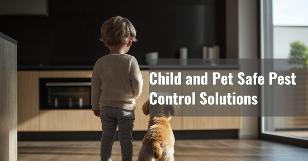
Child and Pet Safe Pest Control Solutions in Ireland
Protect your home from pests without putting your children or pets at risk. Discover proven non-toxic pest control methods that eliminate pests while keeping your family safe from harmful chemicals.
WHY CHILD AND PET SAFETY MUST COME FIRST IN PEST CONTROL
When pests invade your Irish home, the urgency to eliminate them can lead to hasty decisions that put your family at risk. Traditional chemical pesticides pose serious health threats to children and pets, who are more vulnerable to toxic exposure due to their size, developing systems, and tendency to explore their environment through touch and taste.
Children and pets spend more time close to floors and surfaces where pesticides accumulate, increasing their exposure risk. Their faster metabolisms and developing nervous systems make them particularly susceptible to chemical toxicity, which can cause immediate symptoms or long-term health problems.
Safe pest control isn't just about avoiding dramatic poisoning incidents—it's about preventing subtle, ongoing exposure that can affect development, learning, and long-term health. Fortunately, effective pest control methods exist that eliminate pests without compromising your family's wellbeing.
UNDERSTANDING THE RISKS: WHY CHEMICAL PESTICIDES ENDANGER FAMILIES
IMMEDIATE HEALTH THREATS TO CHILDREN
Acute Poisoning Symptoms:
- Nausea, vomiting, and diarrhea
- Skin rashes and respiratory irritation
- Headaches and dizziness
- Eye and throat burning
- Behavioral changes and hyperactivity
High-Risk Exposure Scenarios:
- Crawling babies touching treated surfaces
- Toddlers putting objects in their mouths
- Children playing on treated lawns or floors
- Accidental ingestion of bait stations or sprays
LONG-TERM DEVELOPMENTAL CONCERNS
Neurological Development: Research links pesticide exposure to attention deficit disorders, learning disabilities, and delayed cognitive development in children. The developing brain is particularly vulnerable during the first few years of life.
Respiratory Health: Chronic exposure to chemical pesticides can trigger asthma and allergies, especially in children with existing respiratory sensitivities common in Ireland's damp climate.
PET HEALTH RISKS
Size-Related Vulnerability: Pets, especially cats and small dogs, face higher toxicity risks due to their lower body weight. They absorb chemicals more quickly and process toxins less efficiently than humans.
Behavioral Exposure Risks:
- Grooming contaminated fur
- Drinking from treated water sources
- Rolling on treated surfaces
- Eating poisoned insects or rodents
Species-Specific Sensitivities: Cats lack certain liver enzymes needed to process many chemicals, making them extremely vulnerable to pesticide poisoning. Birds and fish are even more sensitive to chemical treatments.
Safe Pest Control Principles for Family Homes
The Hierarchy of Safe Pest Control
- Prevention First: The safest pest control method is preventing infestations before they start. This approach eliminates the need for any treatments around children and pets.
- Physical Exclusion: Blocking pest entry through barriers, seals, and modifications creates pest-free environments without introducing any chemicals.
- Mechanical Control: Traps, vacuums, and physical removal methods eliminate pests without chemical residues that could harm family members.
- Biological Control: Using natural predators and beneficial organisms provides pest control while enhancing rather than degrading the environment.
- Natural, Non-Toxic Treatments: When treatments are necessary, choose methods derived from natural sources that break down quickly without leaving harmful residues.
Creating Child and Pet Safe Zones
Immediate Protection Areas:
- Nurseries and children's bedrooms
- Play areas and toy storage spaces
- Pet feeding and sleeping areas
- Kitchen and food preparation zones
Extended Safety Considerations:
- Garden play areas and sandboxes
- Outdoor pet exercise areas
- Swimming pool and water feature surroundings
- Areas where children do homework or crafts
Non-Toxic Methods for Common Irish Household Pests
RODENT CONTROL WITHOUT POISON
Traditional rodent poisons pose extreme risks to children and pets. A single pellet can seriously harm a toddler or kill a small pet. Safe alternatives provide effective control without these dangers.
Snap Traps with Safe Placement:
- Use enclosed snap trap stations that prevent access by children and pets
- Place traps in areas inaccessible to family members (behind appliances, inside cabinets)
- Choose traps with safety mechanisms that prevent accidental triggering
- Check and empty traps frequently to prevent odors and secondary pest attraction
Live Catch and Release:
- Humane traps allow safe removal without killing
- Relocate captured rodents at least 2 miles from your home
- Clean traps thoroughly between uses to prevent disease transmission
- Ideal for families teaching children about compassionate pest management
Natural Repellent Barriers:
- Peppermint oil-soaked cotton balls in entry areas (replaced weekly)
- Ultrasonic devices that emit frequencies rodents dislike
- Steel wool barriers in small gaps and holes
- Natural predator scents (available commercially) around property perimeters
Exclusion and Prevention:
- Seal entry points with materials rodents cannot chew through
- Remove food sources and water access
- Maintain clean environments that don't attract rodents
- Store pet food in sealed, chew-proof containers
ANT CONTROL SAFE FOR CHILDREN AND PETS
Ants often invade Irish homes, especially during wet weather. Safe control methods disrupt ant activity without creating toxic environments.
Diatomaceous Earth Barriers: Food-grade diatomaceous earth damages ant exoskeletons while remaining completely safe for children and pets to touch or accidentally ingest.
Application Method:
- Apply thin lines around ant entry points
- Dust lightly in areas where children and pets cannot disturb
- Reapply after cleaning or rain
- Choose only food-grade quality for safety
Natural Disruption Methods:
- White vinegar spray to erase ant scent trails
- Cinnamon powder barriers around entry points
- Coffee ground barriers that ants avoid
- Chalk lines containing calcium carbonate (avoid dust inhalation)
Safe Bait Alternatives:
- Borax-based baits placed in child and pet-proof stations
- Commercial ant stations with secure, tamper-resistant designs
- Placement in areas completely inaccessible to family members
- Regular monitoring to ensure stations remain secure
FLYING INSECT CONTROL WITHOUT SPRAYS
Aerosol insecticides create airborne chemicals that children and pets easily inhale. Safe alternatives eliminate flying insects without contaminating indoor air.
Physical Trapping:
- Sticky traps placed high on walls away from children
- Light traps that attract and capture insects
- Fruit fly traps using apple cider vinegar (placed out of reach)
- Window screens to prevent entry
Natural Repellent Plants:
- Basil plants on windowsills (safe if children or pets eat leaves)
- Lavender in garden areas and near outdoor seating
- Mint plants around entry points (contained to prevent spread)
- Citronella grass in outdoor areas
Essential Oil Deterrents:
- Diffused peppermint or lavender oil (ensure adequate ventilation)
- Oil-soaked fabric strips hung in problem areas
- Natural sprays applied to surfaces children and pets don't contact
- Diluted solutions that don't leave harmful residues
WASP AND BEE MANAGEMENT FOR FAMILIES
Stinging insects pose immediate physical dangers to children and pets, but chemical treatments create additional toxicity risks.
Prevention Strategies:
- Remove food sources like sugary spills and open garbage
- Eliminate standing water where insects breed
- Seal holes and crevices where insects might nest
- Plant wasp-deterrent herbs like mint and spearmint
Safe Nest Management:
- Professional removal during dormant periods (early morning or late evening)
- Physical barriers to prevent nest building in dangerous locations
- Natural repellent applications before nest establishment
- Immediate area restriction until professional treatment complete
Emergency Response:
- Keep children and pets indoors during nest removal
- Have allergic reaction medications readily available
- Know location of nearest medical facility
- Train children to avoid disturbing nests or swatting at insects
BED BUG TREATMENT SAFE FOR SLEEPING AREAS
Bed bugs in children's rooms require special attention to treatment safety, as children spend 8-10 hours in direct contact with potentially treated surfaces.
Heat Treatment Methods:
- Professional heat treatment that raises room temperature to lethal levels
- Portable heat chambers for treating clothing and small items
- Steam cleaning of mattresses and furniture
- Hot water washing of all bedding and clothes
Physical Barriers:
- Mattress and box spring encasements that trap existing bugs
- Bed leg interceptors that prevent climbing
- Double-sided tape around bed frames
- Clutter removal to eliminate hiding places
Safe Monitoring:
- Visual inspections using flashlights and magnifying glasses
- Passive monitors that detect bed bugs without chemicals
- Regular washing of bedding in hot water
- Immediate isolation of infested items
SPIDER CONTROL THAT PROTECTS BENEFICIAL SPECIES
Most Irish spiders are beneficial predators that control other pests. Family-safe methods discourage spiders from living areas without eliminating them entirely.
Natural Deterrents:
- Chestnuts placed in corners (replace annually when they dry)
- Essential oil sprays with peppermint or tea tree oil
- Regular vacuuming to remove webs and egg sacs
- Reducing clutter that provides hiding places
Exclusion Methods:
- Sealing gaps around windows and doors
- Installing fine mesh screens
- Caulking cracks in walls and foundations
- Removing outdoor debris near building foundations
Child-Specific Safety Considerations
AGE-APPROPRIATE PEST CONTROL
Infants and Toddlers (0-3 years):
- Avoid all chemical treatments in areas they access
- Use only physical barriers and exclusion methods
- Place all traps and devices completely out of reach
- Focus on prevention through cleanliness and sealing
Preschoolers (3-5 years):
- Explain why certain areas are off-limits during treatments
- Use child-resistant stations for any necessary baits
- Involve children in safe prevention activities like cleaning up food
- Teach children to alert adults about pest sightings
School Age (6-12 years):
- Educate about pest biology and safe control methods
- Involve in monitoring and inspection activities
- Teach distinction between beneficial and harmful insects
- Encourage participation in garden-based pest prevention
Teenagers (13+ years):
- Train in proper application of safe pest control methods
- Discuss environmental and health impacts of different approaches
- Involve in researching and selecting family-safe products
- Encourage leadership in maintaining pest prevention measures
CREATING SAFE APPLICATION PROTOCOLS
Before Treatment:
- Remove children and pets from treatment areas
- Cover or remove toys, food, and pet supplies
- Ensure adequate ventilation in indoor spaces
- Have emergency contact information readily available
During Treatment:
- Maintain restricted access to treatment areas
- Use barriers to prevent accidental entry
- Monitor for any adverse reactions in family members
- Follow all product instructions precisely
After Treatment:
- Allow adequate time for products to dry or settle
- Clean surfaces children and pets will contact
- Restore normal access only when completely safe
- Monitor family members for any delayed reactions
PET-SPECIFIC SAFETY PROTOCOLS
UNDERSTANDING PET VULNERABILITIES
Cats:
- Lack liver enzymes to process many chemicals
- Groom contaminated fur, increasing ingestion risk
- Smaller size means faster absorption of toxins
- Often hide illness symptoms until severely affected
Dogs:
- May eat poisoned insects or rodents
- Roll on treated surfaces, contaminating fur
- Size varies dramatically, affecting safe dosage calculations
- May drink from treated water sources
Small Pets (rabbits, birds, fish):
- Extremely sensitive to airborne chemicals
- Cannot be removed from treatment areas easily
- Require specialized safe spaces during any treatments
- May require veterinary consultation for safety protocols
Pet-Safe Treatment Areas
Creating Temporary Safe Zones:
- Designate untreated rooms for pets during applications
- Ensure access to food, water, and comfort items
- Maintain normal temperature and ventilation
- Provide familiar bedding and toys to reduce stress
Permanent Pet Considerations:
- Install pet doors to allow escape from treated areas
- Create elevated feeding areas away from floor treatments
- Establish outdoor safe zones for temporary relocation
- Maintain chemical-free zones around pet sleeping areas
Post-Treatment Pet Safety
Return Protocols:
- Wait longer than minimum recommended times
- Test small areas with pet-safe indicator methods
- Observe pets closely for behavior changes
- Keep veterinary contact information readily available
Ongoing Monitoring:
- Watch for symptoms like excessive drooling, vomiting, or lethargy
- Monitor eating and drinking patterns
- Note any skin irritation or scratching
- Schedule veterinary check-ups if exposure occurred
SAFE STORAGE AND HANDLING OF PEST CONTROL MATERIALS
SECURE STORAGE REQUIREMENTS
Even Safe Products Need Proper Storage:
- Lock all pest control materials away from children
- Store in original containers with clear labeling
- Keep in cool, dry locations away from living areas
- Maintain inventory lists with purchase and expiration dates
Child-Resistant Containers:
- Transfer bulk materials to containers children cannot open
- Use clear labeling with hazard warnings and contents
- Store application tools separately from materials
- Keep emergency contact numbers with storage materials
APPLICATION SAFETY EQUIPMENT
Personal Protection for Adults:
- Gloves to prevent skin contact
- Masks to avoid inhalation during application
- Eye protection when spraying or dusting
- Old clothing that can be washed or discarded after use
Family Protection During Application:
- Clear communication about restricted areas
- Visual barriers like tape or signs
- Temporary relocation plans for children and pets
- Emergency response supplies readily available
Monitoring and Maintaining Safe Pest Control
Regular Safety Assessments
Monthly Inspections:
- Check all bait stations for tampering or damage
- Verify traps remain in safe, inaccessible locations
- Assess effectiveness of exclusion measures
- Monitor family members for any health changes
Seasonal Adjustments:
- Adapt methods for changing pest pressure
- Update safety protocols as children grow and develop
- Modify pet safety measures for aging or ill animals
- Research new safe methods as they become available
EMERGENCY RESPONSE PLANNING
Accidental Exposure Protocol:
- Remove person or pet from exposure area immediately
- Contact poison control or veterinary emergency services
- Follow specific first aid instructions for the product involved
- Preserve product containers and labels for reference
- Monitor for symptoms and seek professional help as advised
Prevention Through Education:
- Teach all family members about pest control safety
- Practice emergency procedures regularly
- Keep emergency contact numbers easily accessible
- Maintain first aid supplies and knowledge
Building Long-Term Family Safety
DEVELOPING SAFE HABITS
Daily Practices:
- Maintain cleanliness to prevent pest attraction
- Inspect play areas before children use them
- Store food properly to avoid pest problems
- Report pest sightings promptly for early intervention
Teaching Moments:
- Involve children in safe pest prevention activities
- Explain why certain products are dangerous
- Demonstrate proper respect for all living creatures
- Model environmentally responsible pest management
COMMUNITY RESOURCES AND SUPPORT
Professional Services:
- Choose pest control companies committed to family safety
- Request detailed safety protocols before service
- Verify technician training in safe application methods
- Maintain communication about family-specific concerns
Educational Resources:
- Connect with other families using safe pest control methods
- Stay informed about new research on pesticide safety
- Participate in community education about environmental health
- Share successful safe pest control experiences
Creating a pest-free home while protecting children and pets requires dedication to safety-first principles, but the results provide peace of mind that's invaluable. By choosing methods that eliminate pests without introducing health risks, families can address pest problems confidently while maintaining the safe, nurturing environment children and pets need to thrive.
The investment in safe pest control methods pays dividends in family health, environmental protection, and the modeling of responsible stewardship for the next generation. With proper planning, application, and monitoring, effective pest control and family safety can coexist successfully in Irish homes.
Ready to implement child and pet-safe pest control in your home? Start with a comprehensive safety assessment, choose methods appropriate for your family's specific needs, and remember that protecting your loved ones while managing pests is not only possible but essential for responsible homeownership.
Exterminate's Professional child & pet safe pest control services available throughout Dublin, Kildare, Wicklow, Carlow, Meath, Offaly, and Laois. Consultation available for creating customized child & pet pest management plans. Contact Exterminate Pest Control Now!
Contact Us
© Copyright Exterminate Pest Control Solutions
info@exterminate.ie 0852635994
Child & Pet SafePest Control
Dublin | Wicklow | Kildare | Laois | Meath | Carlow | Offaly
Residential & Commercial Natural Pest Treatments Dublin, Kildare, Wicklow, Meath, Laois, Carlow