Termites Or Woodworm - Call 0852635994
Termites vs Woodworm: Expert Identification & Treatment Guide
Termites and woodworm are two distinct wood-destroying pests that cause significant property damage across Ireland. While both threaten wooden structures, termites vs woodworm require completely different identification methods and treatment approaches. Understanding these differences ensures proper pest control and prevents costly misidentification.
Exterminate Pest Control specializes in both termite and woodworm identification, providing expert treatment for Ireland's most destructive wood pests.
Contact our wood pest specialists: 085 263 5994
Termites vs Woodworm: Key Identification Differences
Accurate pest identification between termites and woodworm is crucial for effective treatment selection and property protection.
What Are Termites?
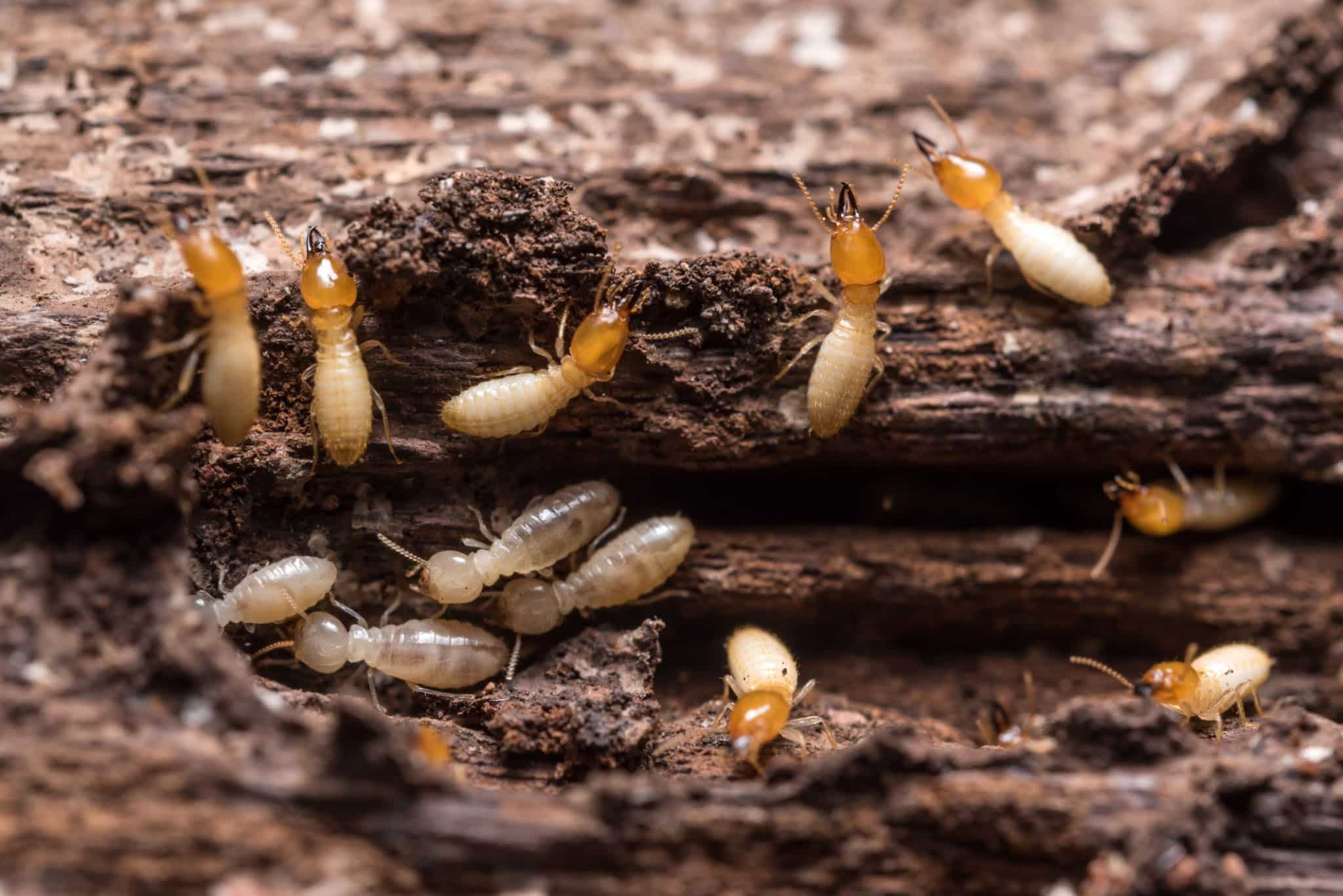
Termites are social insects living in colonies that feed on cellulose found in wood, paper, and plant materials. These wood-destroying insects work continuously in organized groups.
Termite Physical Characteristics:
- Size: 3-8mm long depending on caste (workers, soldiers, reproductives)
- Color: Cream to dark brown, with workers being pale
- Body Shape: Soft-bodied with distinct head, thorax, and abdomen
- Wings: Reproductive termites have equal-length wings that shed after swarming
- Antennae: Straight, bead-like antennae
What Are Woodworm?
Woodworm refers to wood-boring beetle larvae that tunnel through timber during their development stage. Unlike termites, woodworm are individual insects, not social colonies.
Woodworm Physical Characteristics:
- Size: 2-6mm long as larvae, adults vary by species (2-25mm)
- Color: Larvae are cream/white, adults range from brown to black
- Body Shape: Larvae are C-shaped grubs, adults are hard-bodied beetles
- Wings: Adult beetles have hardened wing covers (elytra)
- Antennae: Adult beetles have clubbed or segmented antennae
Damage Patterns: Termites vs Woodworm Identification
Termite damage and woodworm damage create distinctly different patterns that aid in accurate identification.
Termite Damage Characteristics
Termite damage patterns include:
- Hollowed wood with thin surface layers remaining intact
- Mud tubes connecting soil to wood sources
- Gallery systems following wood grain patterns
- Smooth tunnel walls without visible sawdust
- Structural weakening affecting load-bearing timbers
Termite activity signs:
- Flying termites (swarmers) during spring and summer
- Discarded wings near windows and light sources
- Soft, hollow-sounding wood when tapped
- Buckling paint or wallpaper from moisture damage
Woodworm Damage Characteristics
Woodworm damage patterns include:
- Round exit holes (1-3mm diameter depending on species)
- Fine sawdust (frass) beneath holes and around timber
- Surface holes with clean, circular edges
- Tunnels radiating in various directions through wood
- Weakened timber with honeycomb-like internal structure
Woodworm activity signs:
- Fresh sawdust indicating active boring
- Adult beetles emerging during summer months
- New holes appearing in previously undamaged wood
- Crumbling wood around heavily infested areas
Behavior Differences: Termites vs Woodworm
Understanding termite behavior versus woodworm behavior helps predict infestation spread and treatment requirements.
Termite Behavior Patterns
Termite colony behavior:
- Social insects working cooperatively in organized castes
- Continuous activity throughout the year
- Moisture dependent requiring water sources for survival
- Territory expansion through new tunnel construction
- Communication through pheromones and vibrations
Termite environmental needs:
- Soil contact for subterranean species
- Consistent moisture levels for colony survival
- Cellulose food sources including wood, paper, and plant materials
- Protected pathways between nest and food sources
Woodworm Behavior Patterns
Woodworm lifecycle behavior:
- Individual insects with solitary larval development
- Seasonal activity with adults emerging in summer
- Moisture preference targeting damp or partially seasoned timber
- Species-specific wood preferences and environmental requirements
- Multi-year development from egg to adult beetle
Woodworm environmental preferences:
- Moisture content between 14-20% in timber
- Temperature ranges suitable for larval development
- Wood species preferences varying by beetle type
- Undisturbed locations for extended larval development
Common Species: Termites and Woodworm in Ireland
Irish Termite Species
Subterranean Termites (Reticulitermes species):
- Habitat: Underground colonies with soil contact
- Damage: Structural timber, flooring, and wooden fixtures
- Activity: Year-round with spring swarming
- Treatment: Soil barriers and baiting systems
Irish Woodworm Species
Common Furniture Beetle (Anobium punctatum):
- Habitat: Seasoned softwood and sapwood
- Damage: Furniture, floorboards, and structural timbers
- Activity: Adults emerge May-September
- Exit holes: 1-2mm diameter
House Longhorn Beetle (Hylotrupes bajulus):
- Habitat: Structural softwood timbers
- Damage: Roof timbers and load-bearing structures
- Activity: Adults emerge June-September
- Exit holes: 6-10mm oval-shaped
Powderpost Beetle (Lyctus species):
- Habitat: Hardwood with high starch content
- Damage: Flooring, furniture, and imported timber
- Activity: Adults emerge April-August
- Exit holes: 1-2mm with fine powder
Professional Treatment: Termites vs Woodworm
Termite treatment and woodworm treatment require different approaches based on pest biology and infestation patterns.
Professional Termite Treatment
Termite control methods:
- Chemical soil barriers preventing colony access
- Termite baiting systems eliminating entire colonies
- Direct wood treatment for localized infestations
- Monitoring programs ensuring long-term protection
Termite treatment advantages:
- Colony elimination affecting entire termite populations
- Long-term protection with residual chemical barriers
- Professional monitoring detecting new activity early
Professional Woodworm Treatment
Woodworm control methods:
- Surface spray treatments penetrating into timber
- Injection treatments for deep larval penetration
- Fumigation options for severe infestations
- Timber replacement for structurally compromised wood
Woodworm treatment advantages:
- Larval elimination stopping ongoing damage
- Preventive protection against future infestations
- Structural assessment ensuring building safety
Prevention Strategies: Termites and Woodworm
Termite Prevention Methods
Termite prevention focuses on eliminating moisture and soil contact:
- Moisture control through proper ventilation and drainage
- Wood-to-soil separation using concrete barriers
- Regular inspections detecting early termite activity
- Landscape management reducing termite attractants
Woodworm Prevention Methods
Woodworm prevention emphasizes timber treatment and environmental control:
- Timber treatment with preservative chemicals
- Humidity control maintaining moisture below 14%
- Ventilation improvement in susceptible areas
- Regular monitoring for beetle emergence
When to Call Professional Pest Control
Professional identification ensures appropriate treatment for termites or woodworm infestations.
Emergency Situations Requiring Immediate Response:
- Structural damage affecting building safety
- Active infestations spreading rapidly
- Misidentification risks requiring expert assessment
- Treatment failure from incorrect pest control methods
Professional Assessment Benefits:
- Accurate species identification ensuring proper treatment
- Damage evaluation assessing structural integrity
- Treatment planning with appropriate methods and chemicals
- Follow-up monitoring preventing re-infestation
Contact Professional Wood Pest Specialists
Don't risk misidentifying termites vs woodworm. Professional identification and treatment protect your property investment.
Exterminate Pest Control - Wood Pest Identification Experts
Our Specialist Services:
- Expert identification distinguishing termites from woodworm
- Comprehensive inspections assessing damage and activity
- Targeted treatments specific to each pest type
- Structural assessments ensuring building safety
- Prevention programs protecting against future infestations
Why Choose Our Wood Pest Experts:
- Specialized knowledge in termite and woodworm biology
- Professional equipment for accurate identification
- Proven treatments eliminating both pest types effectively
- Structural expertise assessing and protecting building integrity
Get Expert Wood Pest Help:
- Phone: 085 263 5994
- Email: info@exterminate.ie
- Website: exterminate.ie
Available Services:
- Emergency wood pest identification and treatment
- Comprehensive property inspections
- Structural damage assessment
- Long-term protection programs
Don't guess between termites vs woodworm. Call Exterminate Pest Control at 085 263 5994 for expert identification and targeted treatment protecting your property from Ireland's most destructive wood pests.
Contact Us
Termites Or Woodworm
Exterminator Termites Or Woodworm
Termites & Woodworm Pest Control
Exterminator Termites & WoodwormDublin, Kildare, Wicklow, Meath, Laois, Carlow, Offaly
info@exterminate.ie
0852635994