BEE REMOVAL IRELAND
Bee Removal Ireland: Professional, Safe & Eco-Friendly Solutions
Discovering bees on your property requires immediate, professional attention. Unlike wasps, bees are essential pollinators that deserve protection and humane treatment. However, when bee colonies establish themselves in dangerous locations or threaten property safety, expert bee removal becomes necessary.
Exterminate Pest Control specializes in safe, humane bee removal across Ireland. Our certified technicians understand bee behavior, use eco-friendly methods, and work with local beekeepers to relocate colonies whenever possible. Protect your family while preserving these vital pollinators.
Understanding Bee Removal vs. Bee Extermination
Professional bee removal prioritizes conservation and humane treatment over extermination, reflecting the critical importance of bees to our ecosystem.
Why Bee Removal, Not Extermination:
Environmental Protection: Bees pollinate one-third of our food supply and are crucial for biodiversity. Removing rather than killing colonies supports environmental conservation.
Legal Considerations: Some bee species receive protection under environmental legislation. Professional removal ensures compliance with conservation laws.
Humane Treatment: Bees are non-aggressive when handled properly. Professional removal techniques minimize stress and preserve colony health.
Property Benefits: Proper bee removal prevents structural damage from abandoned honeycomb and eliminates attractions for future swarms.
When Bee Removal Becomes Necessary:
- Dangerous locations threatening human safety
- Structural infestations causing property damage
- Allergic individuals at risk from bee presence
- High-traffic areas with increased sting risks
- Indoor colonies requiring immediate action
- Large swarms in inappropriate locations
Types of Bees Requiring Professional Removal in Ireland
Understanding different bee species helps determine appropriate removal methods and urgency levels.
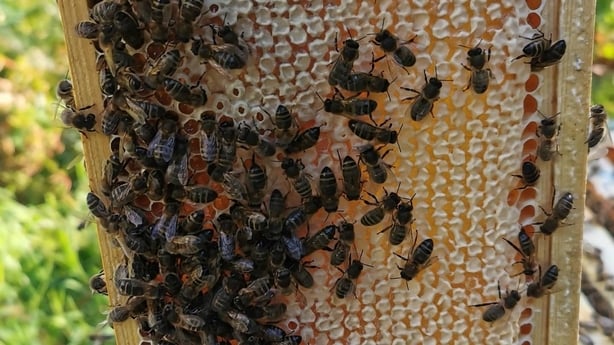
Honey Bees (Apis mellifera)
Identification: Golden-brown with fuzzy bodies, 12-15mm long, live in large colonies of 20,000-80,000 bees.
Behavior: Generally docile unless defending hive, excellent pollinators, produce honey and beeswax.
Nest Locations: Wall cavities, roof spaces, chimneys, tree hollows, garden structures.
Removal Approach: Live removal and relocation to experienced beekeepers whenever possible.
Seasonal Activity: Active year-round with peak activity March-October.
Bumble Bees (Bombus species)
Identification: Large, fuzzy, black and yellow striped, 15-25mm long, smaller colonies of 50-400 bees.
Behavior: Generally peaceful, excellent pollinators, important for wildflower and crop pollination.
Nest Locations: Underground burrows, compost heaps, bird boxes, garden sheds, roof insulation.
Removal Approach: Careful relocation during inactive periods, minimal disturbance preferred.
Seasonal Activity: Active March-October, colonies die off naturally in winter.
Solitary Bees (Various species)
Identification: Varies by species, smaller than honey bees, live individually rather than in colonies.
Behavior: Non-aggressive, rarely sting, important specialist pollinators for native plants.
Nest Locations: Small holes in mortar, wood, soil, or hollow stems.
Removal Approach: Often unnecessary due to beneficial nature and low risk.
Seasonal Activity: Spring and summer activity, varies by species.
Tree Bees (Bombus hypnorum)
Identification: Distinctive ginger/brown thorax with black abdomen and white tail, newer species to Ireland.
Behavior: Adapt well to urban environments, nest in cavities above ground.
Nest Locations: Bird boxes, roof eaves, loft spaces, wall cavities.
Removal Approach: Professional assessment needed due to increasing populations.
Seasonal Activity: Early spring through late summer.
Professional Bee Removal Process
Our comprehensive bee removal process prioritizes safety, conservation, and long-term solutions.
Step 1: Emergency Assessment and Safety Evaluation
Immediate Risk Assessment:
- Location and accessibility of bee colony
- Species identification and behavior analysis
- Threat level to occupants and visitors
- Structural impact evaluation
- Emergency response requirements
Safety Protocols:
- Area evacuation if necessary
- Protection for allergic individuals
- Equipment staging and access planning
- Emergency medical preparations
- Weather and timing considerations
Step 2: Humane Removal Strategy Development
Live Removal Planning:
- Colony size and health assessment
- Optimal removal timing for bee welfare
- Relocation site identification and preparation
- Beekeeper coordination for honey bee colonies
- Specialized equipment selection
Conservation Priorities:
- Queen bee location and protection
- Brood preservation during removal
- Minimal stress techniques
- Post-removal colony support
- Environmental impact minimization
Step 3: Safe Extraction and Relocation
Professional Removal Techniques:
- Specialized bee vacuum systems for live capture
- Pheromone management to maintain calm
- Hive box preparation for transportation
- Complete colony extraction including queen
- Honeycomb removal to prevent attraction
Relocation Process:
- Transportation to suitable new location
- Colony establishment support
- Beekeeper handover for honey bees
- Wild release for bumble bee colonies
- Follow-up monitoring when possible
Step 4: Property Restoration and Prevention
Site Remediation:
- Complete honeycomb and wax removal
- Cavity cleaning and sanitization
- Structural repair of entry points
- Bee-proofing vulnerable areas
- Odor elimination to prevent re-attraction
Future Prevention:
- Property vulnerability assessment
- Entry point sealing recommendations
- Landscape modifications to deter nesting
- Regular monitoring schedules
- Annual prevention consultations
Emergency Bee Removal Situations
Certain bee situations require immediate professional intervention to prevent serious incidents.
Immediate Response Required:
Indoor Bee Colonies:
- Bees entering living spaces through wall cavities
- Large numbers of bees inside homes or businesses
- Structural damage from established colonies
- Health risks to occupants from bee presence
High-Risk Locations:
- Colonies near schools or playgrounds
- Bees nesting in frequently used areas
- Large swarms in public spaces
- Multiple species creating complex situations
Medical Emergencies:
- Allergic individuals at risk of exposure
- Previous severe reactions to bee stings
- Elderly or vulnerable people threatened
- Children's areas compromised by bee activity
Property Emergencies:
- Structural damage from large colonies
- Electrical hazards from bees near wiring
- Water damage from honey extraction
- Insurance complications from bee infestations
Emergency Response Protocol:
- Immediate area evacuation and safety establishment
- Professional bee removal contact for expert assessment
- Medical preparation for potential allergic reactions
- Documentation of situation for insurance purposes
- Temporary measures only as advised by professionals
Bee Removal vs. Wasp Removal: Critical Differences
Understanding the differences between bees and wasps is crucial for appropriate treatment decisions.
Identification Differences:
Honey Bees:
- Fuzzy, hairy bodies that collect pollen
- Golden-brown coloration with less distinct stripes
- Rounded body shape, less defined waist
- Generally docile unless directly threatened
- Die after stinging (barbed stinger)
Wasps:
- Smooth, shiny bodies with bright yellow and black stripes
- Distinct narrow waist ("wasp waist")
- Aggressive behavior, especially around food
- Can sting multiple times (smooth stinger)
- More likely to attack without provocation
Treatment Approach Differences:
Bee Removal:
- Conservation-focused with live removal preferred
- Collaboration with beekeepers for relocation
- Humane methods prioritizing bee welfare
- Legal protections for certain species
- Environmental considerations paramount
Wasp Control:
- Elimination-focused due to aggressive nature
- Safety priorities due to multiple sting capability
- Less conservation concern (except hornets)
- More direct control methods acceptable
- Immediate threat reduction emphasized
Bee Removal Cost Factors and Pricing
Understanding bee removal costs helps property owners make informed decisions about professional services.
Value of Professional Bee Removal:
Safety Benefits:
- No risk of bee stings or allergic reactions
- Professional protective equipment and training
- Emergency response capability
- Insurance coverage for work performed
Conservation Benefits:
- Humane treatment preserving bee populations
- Expert species identification and handling
- Proper relocation ensuring colony survival
- Environmental compliance and responsibility
Property Benefits:
- Complete colony removal preventing re-establishment
- Structural protection from damage
- Professional cleanup and restoration
- Long-term prevention strategies
Seasonal Bee Activity and Removal Planning
Understanding seasonal bee behavior patterns helps plan effective removal strategies and timing.
Spring (March-May): Swarm Season
Bee Activity:
- Honey bee colonies split and swarm naturally
- New queens establish colonies in suitable locations
- Bumble bee queens emerge from hibernation
- Peak period for new colony establishment
Removal Considerations:
- Swarm removal often straightforward
- New colonies easier to relocate
- Less established honeycomb to manage
- Optimal time for live removal success
Prevention Opportunities:
- Property inspections for vulnerable areas
- Early intervention before establishment
- Swarm prevention measures
- Professional consultation for high-risk properties
Summer (June-August): Peak Activity
Bee Activity:
- Colonies reach maximum size and activity
- Heavy foraging and pollination activity
- Defensive behavior increases around hives
- Multiple generations developing simultaneously
Removal Considerations:
- More complex removal due to large populations
- Increased safety precautions required
- Greater conservation value in established colonies
- Professional expertise essential for safe removal
Late Summer (August-September): Preparation Period
Bee Activity:
- Honey bee colonies prepare for winter
- Bumble bee colonies begin natural decline
- New queens mate and prepare for hibernation
- Reduced foraging as flowers become scarce
Removal Considerations:
- Honey reserves complicate removal process
- Colony preservation more challenging
- Weather window considerations
- Strategic timing for minimal impact
Autumn/Winter (October-February): Dormant Period
Bee Activity:
- Honey bee colonies cluster for warmth
- Bumble bee colonies die off naturally
- Minimal flight activity during cold weather
- Reduced defensive behavior
Removal Considerations:
- Easier access to established colonies
- Less aggressive defensive responses
- Weather limitations for outdoor work
- Planning for spring prevention measures
Bee-Friendly Property Management
Balancing bee conservation with property safety requires thoughtful management approaches.
Creating Bee-Safe Environments:
Garden Planning:
- Plant bee-friendly flowers away from high-traffic areas
- Provide water sources in appropriate locations
- Maintain diverse flowering plants for seasonal nectar
- Avoid pesticide use that harms beneficial insects
Property Modifications:
- Install bee houses for solitary species in suitable locations
- Create designated pollinator areas away from buildings
- Design landscapes that guide bees away from structures
- Maintain dead wood and natural nesting sites appropriately
Preventing Unwanted Bee Nesting:
Structural Maintenance:
- Seal potential cavity nest sites in buildings
- Repair damaged mortar and wood that attracts solitary bees
- Install vents and screens to prevent indoor access
- Regular inspections of vulnerable areas
Professional Consultation:
- Annual property assessments for bee risks
- Customized prevention strategies
- Landscape design advice for bee management
- Emergency response planning for sensitive individuals
Legal and Environmental Considerations
Professional bee removal ensures compliance with environmental regulations and conservation responsibilities.
Conservation Obligations:
Protected Species:
- Some bee species receive legal protection
- Habitat destruction restrictions may apply
- Professional identification ensures compliance
- Conservation permits may be required
Environmental Responsibilities:
- Duty to minimize harm to beneficial insects
- Sustainable removal practices required
- Ecosystem impact considerations
- Collaboration with conservation organizations
Insurance and Liability:
Property Owner Responsibilities:
- Reasonable pest control measures expected
- Professional removal for dangerous situations
- Liability for visitor safety from bee threats
- Documentation requirements for insurance claims
Professional Service Benefits:
- Full insurance coverage for removal work
- Legal compliance guarantee
- Professional liability protection
- Proper documentation and reporting
Why Choose Professional Bee Removal
Professional bee removal provides superior outcomes for both property owners and bee conservation.
EXPERT KNOWLEDGE AND EXPERIENCE:
Species Expertise:
- Accurate bee identification and behavior understanding
- Appropriate removal methods for different species
- Conservation priorities and legal compliance
- Local ecosystem knowledge and considerations
Technical Skills:
- Specialized equipment for safe live removal
- Professional protective gear and safety protocols
- Structural assessment and repair capabilities
- Emergency response training and experience
Conservation Partnership:
Beekeeper Networks:
- Established relationships with local beekeepers
- Suitable relocation sites for honey bee colonies
- Ongoing colony support and monitoring
- Education and outreach opportunities
Environmental Stewardship:
- Commitment to bee conservation and protection
- Sustainable removal practices
- Ecosystem impact minimization
- Public education about bee importance
Contact Exterminate Pest Control for Professional Bee Removal
Protect your property and preserve important pollinator populations with professional bee removal services.
Exterminate Pest Control - Ireland's Bee Removal Specialists:
Our Comprehensive Bee Services:
- Humane live removal and relocation when possible
- Emergency response for dangerous bee situations
- Species identification and appropriate treatment selection
- Property protection from structural damage
- Conservation partnership with local beekeepers
- Complete removal including honeycomb and attractions
Why Choose Our Professional Service:
- Certified technicians with specialized bee handling training
- Eco-friendly methods prioritizing conservation
- Safety guarantee for all family members and pets
- Insurance coverage protecting your property
- Beekeeper network for successful relocations
- Prevention advice for long-term solutions
Service Areas and Availability:
- Same-day emergency response for urgent situations
- Scheduled appointments for non-emergency removals
- Residential and commercial properties
- All bee species common to Ireland
- Nationwide coverage with local expertise
- Annual prevention programs available
Professional Equipment and Methods:
- Specialized bee vacuum systems for live capture
- Professional protective suits and safety equipment
- Hive boxes and transportation systems
- Structural repair and bee-proofing materials
- Eco-friendly treatments and deterrents
Contact Information:
- Website: exterminate.ie
- Email: info@exterminate.ie
- Phone: 085 263 5994
Available Services:
- Emergency bee removal and relocation
- Swarm capture and management
- Colony assessment and species identification
- Property bee-proofing and prevention
- Consultation for bee-friendly property management
Frequently Asked Questions About Bee Removal
Q: Should bees be removed or left alone?
A: Bees should be left alone when they pose no threat and are in appropriate locations. However, removal becomes necessary when colonies threaten human safety, cause property damage, or establish in high-traffic areas. Professional assessment determines the best approach.
Q: How much does professional bee removal cost?
A: Bee removal costs vary from €120-400 depending on colony size, location accessibility, and complexity. Emergency services and structural work may cost more, but professional removal ensures safety and conservation compliance.
Q: Can I remove bees myself?
A: DIY bee removal is dangerous and often illegal for protected species. Professional removal ensures safety, proper conservation practices, and legal compliance. Attempting self-removal risks stings, incomplete removal, and harm to beneficial pollinators.
Q: What happens to bees after removal?
A: Whenever possible, we relocate live colonies to suitable environments. Honey bee colonies are transferred to experienced beekeepers, while bumble bees are relocated to appropriate wild habitats. Conservation is always our priority.
Q: How do you remove bees without killing them?
A: We use specialized bee vacuum systems, pheromone management, and careful timing to capture entire colonies alive. Professional equipment and techniques minimize stress while ensuring complete removal including queens and brood.
Q: Are bee removal services available for emergencies?
A: Yes, we provide same-day emergency response for dangerous bee situations including indoor colonies, allergic individual risks, and public safety threats. Emergency services ensure immediate professional intervention.
Q: How do you prevent bees from returning?
A: Complete removal includes eliminating honeycomb, sealing entry points, and removing attractions. We provide bee-proofing services and prevention advice to minimize future nesting opportunities.
Q: What's the difference between bee removal and wasp removal?
A: Bee removal prioritizes conservation and live relocation due to their ecological importance. Wasp removal typically involves elimination due to aggressive behavior. Different species require completely different approaches and expertise.
Q: When is the best time for bee removal?
A: Timing depends on species and situation urgency. Spring offers easier removal of new colonies, while autumn provides safer access to established hives. Emergency situations require immediate response regardless of timing.
Q: Do you work with local beekeepers?
A: Yes, we maintain partnerships with experienced beekeepers across Ireland for honey bee colony relocations. This ensures removed colonies continue contributing to pollination and honey production in appropriate locations.
Protect your property while preserving vital pollinators. Contact Exterminate Pest Control at 085 263 5994 for professional, humane bee removal services across Ireland. Our expert team ensures safe removal and conservation of these essential insects.
Contact Us
Bee Pest Control
Bees Nest Removal
Bee Pest Control Dublin, Kildare, Wicklow, Meath, Laois, Carlow, Offaly
info@exterminate.ie
0852635994