Bed Bug Bites - 0852635994
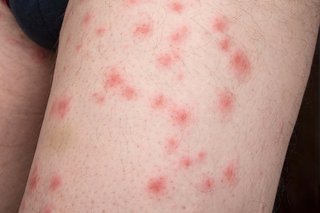
What Do Bed Bug Bites Look Like
Bed Bug Behavior and Human Reactions: Understanding Gender Differences
One of the most frequently asked questions in pest control involves whether bed bugs show preferences between different people in the same household. Many couples report that one partner seems to get bitten more frequently or shows stronger reactions to bed bug bites. Understanding the science behind these observations can help Irish homeowners better address infestations and seek appropriate treatment.
At Exterminate Pest Control, we've observed these patterns firsthand across countless Irish homes. This comprehensive guide examines the scientific evidence about bed bug behavior, human reactions, and why professional treatment remains essential regardless of individual responses.
The Science Behind Individual Reactions to Bed Bug Bites
Research conducted by the University of Kentucky, one of the most comprehensive studies on bed bug reactions, reveals important insights about how different people respond to bed bug bites.
Key Research Findings:
When asked the fundamental question: "Have you experienced any bites or skin reactions from the bed bugs in your dwelling?" 70 percent of respondents said "yes" and 30 percent said "no." This means that approximately 30% of people living in confirmed bed bug infestations show no visible reaction to bites.
Numerically more females than males said they were reacting to the bites but the difference was not statistically significant. However, field observations from pest control professionals suggest more complex patterns may exist.
The Age Factor:
The only displayed difference in reactions was due to age, seniors were less reactive than the young or middle aged. Adults over sixty-five react much less to bed bug bites than younger adults, likely due to reduced sensitivity to allergens in general.
Female vs. Male Bed Bug Behavior: What Research Shows
Scientific studies have identified several behavioral differences between male and female bed bugs that may influence their interaction with human hosts.
Female Bed Bug Behavior:
Sex differences are observed, in which females are more active during establishment, respond faster after feeding, expose themselves more than males during the daytime, and respond more strongly to the host signal.
Female bed bugs exhibit different feeding patterns driven by reproductive needs:
- Before laying eggs, they actively seek blood meals to stimulate the egg production
- Require more frequent feeding for egg development
- Females require a blood meal to lay their eggs, meaning they will often feed more frequently than males
Male Bed Bug Behavior:
Male bed bugs do not partake in blood meals for reproductive purposes. Their feeding habits are generally less frequent than females, suggesting a more frugal approach to nourishment.
Males hide more than females during the daytime but not during the night.
Observed Patterns in Human Reactions: Field Reports vs. Laboratory Studies
While controlled laboratory studies show minimal statistical differences between genders, field observations from pest control professionals tell a different story.
Professional Observations:
Multiple pest control operators have reported consistent patterns:
- 68% of the males do not report any noticeable indication of being bitten when couples report bed bug infestations
- Where both the male and female of the couple report being bitten, the number of females that report being bitten is just over 80%. with their male counterpart reporting about 20%
- The 80% of females that reported bites, 60% of them also reported what they would describe as moderate to severe reactions (noticeably visible welts of reddish colour involving mild to moderate discomfort) whereas the male counterpart reported only mild discolouration with little or no discomfort/itchiness
Scientific Perspective:
What he found was that the reactions were the same from male to female and race made no difference. This creates an interesting discrepancy between controlled studies and field observations that warrants further investigation.
Why Some People React Differently to Bed Bug Bites
Immune System Response:
The welts and itching that often accompany bug bites are the body's immune response to allergens in insect saliva. Individual immune system variations explain why reactions differ so dramatically between people.
Correlation with Other Insect Reactions:
There was an interesting relationship in our survey between reported reactions to mosquito bites and reaction to bed bugs — those indicating they were sensitive to mosquito bites also were more sensitive to bed bugs.
Specific reaction patterns include:
- Individuals who mentioned having a "barely visible" reaction when bitten by mosquitoes had 53 percent reactivity to bed bugs
- Respondents who said they typically experience "small (dime-size) welts" from mosquito bites had 77 percent reactivity to bed bugs
- Those suffering "large (quarter-size)" or "severe (half-dollar size or larger)" swellings from mosquito bites each had 89 percent reactivity to bed bugs
Possible Explanations for Gender Differences
Biological Factors:
Several theories attempt to explain observed gender differences:
Skin Composition: Some scientists suggest it is because men are hairier and bed bugs cannot easily walk or feed on hairy skin. Smooth skin is easier for bed bugs to penetrate and bite.
Pheromone Attraction: It is possible that female human pheromones may be more attractive to bed bugs than male human pheromones since they are pheromone driven to a significant degree.
Hormonal Differences: Some researchers suggest hormonal variations between genders may influence attractiveness to bed bugs or immune response intensity.
Behavioral Factors:
- Sleep position and movement patterns
- Clothing choices and skin exposure
- Personal care products and scents
- Body temperature variations
Common Bite Reaction Symptoms
Understanding typical bed bug bite reactions helps identify infestations regardless of individual sensitivity:
Typical Reactions Include:
Of those who did experience bites or skin reactions, the majority (72 percent) mentioned having itchy red welts.
Half (50 percent) said they experienced redness or discoloration and 28 percent indicated itching in the absence of welts.
Common Bite Locations:
Most people reported being bitten on arms (84 percent) or legs (75 percent). Half of those reacting also mentioned being bitten on the chest or back (50 percent), neck (40 percent), hands (40 percent), feet (38 percent) or face (21 percent).
Why Professional Treatment is Essential Regardless of Reactions
The Hidden Danger:
Level of infestation had no appreciable effect on reactivity — about the same percentage of respondents reported having or not having a reaction whether they were living with low, moderate, high or very high numbers of bed bugs.
This means severe infestations can develop undetected when individuals don't react to bites.
Professional Advantages:
- Accurate identification - Distinguishing bed bugs from other pests
- Complete elimination - Addressing all life stages and hiding spots
- Monitoring and follow-up - Ensuring long-term success
- Prevention education - Avoiding future infestations
Relationship Challenges and Bed Bug Infestations
When one partner reacts strongly while the other shows no symptoms, it can create household tension and disbelief about the infestation's existence.
Managing Household Disagreements:
This can cause a lot of upset if your spouse or partner doesn't believe that you have bed bugs because they aren't being bitten, or are not reacting to bites.
Professional Solutions:
- Independent pest inspection
- Monitoring devices to provide physical evidence
- Education about reaction variability
- Documented evidence of infestation
Gender Differences in Bed Bug Reproduction
Understanding bed bug reproduction helps explain their persistence regardless of human reaction patterns:
Female Reproductive Capacity:
- Female bedbugs have the ability to lay hundreds of eggs in their lifetime
- Can store sperm for extended periods
- A female that mates with just one male will lay 25 more eggs than a female that's mated repeatedly
Male Reproductive Behavior:
Males employ unique mating strategies including:
- Traumatic insemination methods
- Chemical detection of previous matings
- Competitive sperm placement
Professional Bed Bug Control in Ireland
Understanding individual reaction patterns helps, but professional elimination remains the only reliable solution for bed bug problems.
Our Comprehensive Approach:
- Thorough inspection identifying all infestation areas
- Targeted treatment addressing both male and female bed bugs
- Multiple treatment methods ensuring complete elimination
- Follow-up monitoring confirming success
- Prevention advice avoiding future problems
Contact Exterminate Pest Control today:
- Website: exterminate.ie
- Email: info@exterminate.ie
- Phone: 085 263 5994
For immediate bed bug control services across Dublin, Kildare, Meath, Wicklow, Laois, Carlow, Offaly, contact Exterminate Pest Control at 085 263 5994 or visit exterminate.ie. Our experienced team provides fast, effective solutions for all your pest control needs.
BED BUG BITES FAQ'S

Frequently Asked Questions About Gender and Bed Bug Reactions
Q: Do bed bugs actually prefer women over men?
A: Bed bugs do not exhibit a preference for specific individuals when feeding; however, some reports indicate that bites may occur more frequently on women than men, although this is not fully understood. Current research shows mixed results, with some field observations suggesting patterns but controlled studies finding minimal statistical differences.
Q: Why don't I react to bed bug bites but my partner does?
A: Approximately 30% of people show no visible reaction to bed bug bites. The variability in reactions to bites is similar to that seen with mosquitoes; some people do not react to the proteins injected during feeding, leading to misconceptions about bed bug preferences.
Q: Are female bed bugs more aggressive than males?
A: Females are more active during establishment, respond faster after feeding, expose themselves more than males during the daytime, and respond more strongly to the host signal. This increased activity is driven by reproductive needs rather than aggression.
Q: Can men get bed bugs if they don't react to bites?
A: Absolutely. Bed bugs indeed bite anyone available, as their feeding is not dictated by choice but by their presence. Lack of reaction doesn't mean lack of bites - it simply means the immune system isn't producing visible symptoms.
Q: Do age and gender affect bed bug bite reactions?
A: Age is the most significant factor. Seniors were less reactive than the young or middle aged. Gender differences are observed in field reports but aren't statistically significant in controlled studies.
Q: Why might women show stronger reactions to bed bug bites?
A: Several theories exist including immune system differences, hormonal variations, and pheromone attraction, but definitive scientific evidence is still developing.
Q: Should I be concerned if only one person in my household shows bite reactions?
A: Yes, this is common and doesn't indicate a smaller infestation. Professional inspection and treatment are necessary regardless of individual reaction patterns.
Q: Can bed bug preferences change over time?
A: The number of bed bugs that rest in harbourages is found to vary significantly according to light setting and sex. Bed bug behavior can vary based on environmental conditions and population dynamics, but human preferences remain inconsistent in research.
Q: How can I prove bed bugs exist if my partner doesn't react?
A: Get a professional inspection to find out quickly if you have bed bugs. Then you will have "professional" evidence, and that may be all you need to work together to end the infestation. Monitoring traps can also provide physical evidence.
Q: Do female bed bugs live longer than males?
A: Female bed bugs can live 6-12 months under favorable conditions, while males typically have shorter lifespans. However, both genders can survive extended periods without feeding, making professional elimination essential.
Understanding individual reactions to bed bugs helps explain household dynamics, but professional treatment remains the only reliable solution. Contact Exterminate Pest Control at 085 263 5994 for expert bed bug elimination services across Ireland. Our experienced team addresses all aspects of infestations regardless of individual reaction patterns.
© Copyright Exterminate Pest Control Solutions
info@exterminate.ie 0852635994
Professional Bed Bug Treatments
Ger Rid Of Bed Bugs Dublin | Wicklow | Kildare | Laois | Meath | Carlow | Offaly
Residential & Commercial Bed Bug Treatments Dublin, Kildare, Wicklow, Meath, Laois, Carlow