Flying Ants IRELAND
Flying Ants Ireland: Complete Guide to Identification, Behavior & Control
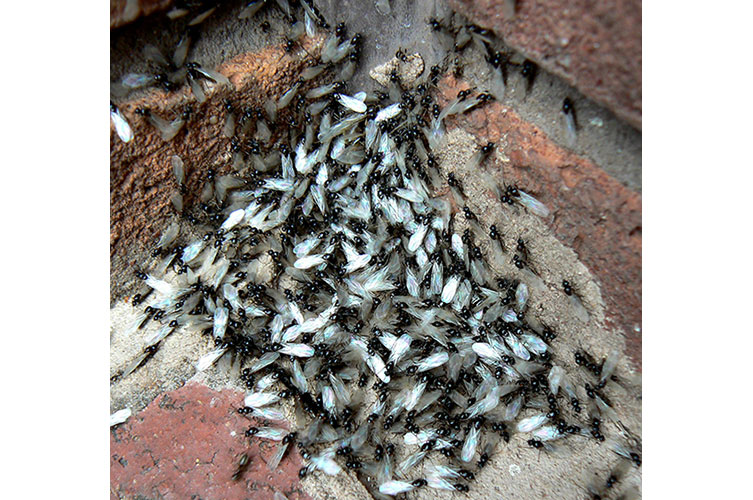
Flying ants Ireland appear suddenly during summer months, creating dramatic swarms that alarm homeowners across the country. These winged insects are not a separate species but rather the reproductive forms of common Irish ant colonies. Understanding flying ant behavior, identification, and effective control prevents new colony establishment and protects your property.
Professional flying ant control: 085 263 5994
What Are Flying Ants?
Flying ants are the reproductive members of ant colonies - queens and males (drones) that develop wings for mating flights. During specific weather conditions, entire colonies release these winged ants simultaneously, creating spectacular swarms that can last several days.
Flying Ant vs. Regular Ant Differences
Flying ants Ireland differ from worker ants in several key ways:
- Wings: Two pairs of wings with front wings larger than rear wings
- Size: Significantly larger than worker ants from same colony
- Body shape: More robust thorax to support flight muscles
- Behavior: Focused on reproduction rather than foraging
- Lifespan: Short-lived compared to worker ants
Types of Flying Ants in Ireland
Irish flying ants represent the reproductive forms of various ant species found throughout the country.
Black Garden Ant Flyers (Lasius niger)
The most common flying ants Ireland, these emerge from black garden ant colonies in massive synchronized swarms.
Identification: 6-9mm long, dark brown to black, distinctive bent antennae, strong fliers. Swarming: July-August during warm, humid conditions following rain. Behavior: Massive coordinated flights, attracted to lights, mating occurs in flight.
Red Ant Flyers (Myrmica rubra)
Flying red ants are less common but more aggressive, capable of stinging during handling.
Identification: 5-8mm long, reddish-brown coloration, functional stingers present. Swarming: June-September depending on weather conditions. Behavior: Smaller swarms, ground-based mating, aggressive when disturbed.
Pharaoh Ant Flyers (Monomorium pharaonis)
Indoor flying ants that may emerge from heated buildings year-round.
Identification: 3-4mm long, yellow to light brown, weak fliers preferring indoor environments. Swarming: No distinct season due to heated indoor environments. Behavior: Indoor flights, multiple reproductive flights per year.
Flying Ant Life Cycle and Behavior
Understanding flying ant behavior Ireland helps predict swarm timing and implement effective control measures.
Nuptial Flight Process
Flying ant swarms follow predictable patterns:
Pre-Flight Preparation: Colonies produce winged reproductives over several weeks, storing them until optimal weather conditions.
Mass Emergence: Triggered by specific weather patterns - typically warm, humid days following rain with light winds.
Mating Flight: Males and queens mate in flight or on elevated surfaces, with males dying shortly after mating.
New Colony Establishment: Mated queens shed wings, seek suitable nesting sites, and begin egg-laying.
Weather Triggers for Flying Ants
Flying ant weather Ireland patterns include:
- Temperature: 20-25°C optimal for flight activity
- Humidity: High humidity following recent rainfall
- Wind: Light winds allowing weak fliers to remain airborne
- Pressure: Rising barometric pressure after weather fronts
Flying Ant Swarm Season Ireland
Flying ant season Ireland typically occurs during summer months with peak activity in July and August.
Monthly Activity Patterns
June: Early species begin swarming, limited activity July: Peak flying ant swarms Ireland with massive synchronized flights August: Continued activity with multiple species swarming September: Late season flights, typically smaller numbers
Daily Activity Timing
Flying ants prefer specific daily conditions:
- Morning: 10 AM - 2 PM peak emergence times
- Weather: Warm, humid conditions following overnight rain
- Wind: Calm to light breeze conditions
- Visibility: Clear skies allowing optimal flight conditions
Problems Caused by Flying Ants
Flying ant problems Ireland include immediate nuisance issues and long-term infestation risks.
Immediate Nuisance Issues
- Indoor invasion: Massive numbers entering buildings through open doors and windows
- Light attraction: Swarms gathering around exterior lighting and windows
- Swimming pool contamination: Dead and dying ants in water features
- Outdoor activity disruption: Interfering with garden parties and outdoor dining
- Vehicle issues: Swarms affecting driving visibility and entering car interiors
Long-Term Infestation Risks
Flying ant control prevents:
- New colony establishment from successfully mated queens
- Property damage from carpenter ant species
- Indoor infestations from indoor-preferring species
- Garden problems from plant-damaging ant species
Flying Ant vs. Termite Identification
Flying ants Ireland are often confused with termites, but key differences help accurate identification:
Physical Differences
Flying Ants:
- Bent, elbowed antennae
- Narrow waist between thorax and abdomen
- Front wings larger than rear wings
- Dark coloration typically
Flying Termites:
- Straight, beaded antennae
- Broad waist, no narrow constriction
- Four wings of equal size
- Light coloration typically
Behavioral Differences
Flying ants swarm during daylight hours in good weather, while flying termites often swarm at dusk and are attracted to lights during evening hours.
Flying Ant Control and Prevention
Flying ant prevention Ireland focuses on reducing attraction factors and preventing new colony establishment.
Immediate Control During Swarms
Managing flying ant swarms:
- Close entry points: Seal doors, windows, and other access routes
- Reduce lighting: Turn off unnecessary outdoor lights during swarm periods
- Use barriers: Install screens on windows and doors
- Vacuum removal: Remove indoor ants using vacuum cleaners
- Water management: Cover pools and water features during peak activity
Prevention Strategies
Preventing flying ant problems:
- Landscaping: Remove rotting wood and organic debris that attracts nesting queens
- Moisture control: Eliminate standing water and excessive moisture around buildings
- Entry sealing: Caulk cracks and gaps where queens might establish colonies
- Regular inspection: Monitor for early signs of new colony establishment
Professional Flying Ant Control
Professional flying ant treatment provides comprehensive solutions beyond immediate swarm management.
Why Professional Treatment Works
Flying ant extermination requires expertise because:
- Source elimination: Treating established colonies producing flying ants
- Species identification: Different species require specific control approaches
- Timing optimization: Applying treatments at most effective periods
- Long-term prevention: Implementing strategies preventing new colony establishment
Professional Treatment Methods
Flying ant control specialists use:
- Colony elimination: Targeting source colonies before reproductive flight
- Barrier treatments: Creating protective zones around properties
- Monitoring systems: Early detection of new colony establishment
- Integrated management: Combining multiple control strategies
Commercial Flying Ant Control
Business flying ant control addresses:
- Customer complaints during peak swarm periods
- Food service disruption from indoor ant invasions
- Outdoor dining protection maintaining restaurant and hospitality operations
- Event management protecting outdoor ceremonies and gatherings
Seasonal Flying Ant Management
Flying ant calendar Ireland helps property owners prepare for annual swarm events.
Pre-Season Preparation (May-June)
- Property inspection identifying potential nesting sites
- Entry point sealing preventing indoor access
- Landscape management removing attraction factors
- Professional consultation planning control strategies
Peak Season Management (July-August)
- Daily monitoring watching for weather conditions triggering swarms
- Immediate response implementing control measures during active swarms
- Customer service addressing complaints and concerns
- Documentation recording swarm timing and intensity
Post-Season Prevention (September-October)
- New colony detection searching for recently established nests
- Treatment application eliminating newly founded colonies
- Property maintenance addressing conditions that attracted establishment
- Planning preparing for following year's swarm season
Contact Professional Flying Ant Control
Don't let flying ants Ireland disrupt your property or establish new colonies. Professional control eliminates source colonies and prevents future swarm problems.
Exterminate Pest Control - Flying Ant Control Specialists
Comprehensive Flying Ant Services:
- Source colony elimination treating established ant colonies before swarming
- Swarm management immediate response during peak flying ant activity
- New colony prevention stopping mated queens from establishing infestations
- Commercial solutions protecting businesses during peak swarm periods
- Seasonal planning year-round strategies preventing flying ant problems
Professional Flying Ant Control:
- Phone: 085 263 5994
- Email: info@exterminate.ie
- Website: exterminate.ie
Available Services:
- Emergency swarm control and management
- Source colony identification and elimination
- Commercial flying ant prevention programs
- Seasonal monitoring and treatment planning
Stop flying ant problems at their source. Call Exterminate Pest Control at 085 263 5994 for professional flying ant control eliminating swarms and preventing new colony establishment across Ireland.
Contact Us
Flying Ant Pest Control
Flying Ants In Ireland
FlyingAnt Pest Control Dublin, Kildare, Wicklow, Meath, Laois, Carlow, Offaly
info@exterminate.ie
0852635994