BEE Stings
Bee Stings: What to Do & Emergency Treatment Guide
Bee stings can range from minor discomfort to life-threatening emergencies, especially for individuals with allergies. Understanding proper bee sting treatment and recognizing dangerous symptoms can save lives and prevent serious complications. While bees are beneficial pollinators, their defensive stings require immediate attention.
Exterminate Pest Control provides emergency bee removal services to prevent dangerous encounters. Call 085 263 5994 for immediate bee control.
Immediate Bee Sting First Aid
Quick action following a bee sting reduces pain and prevents complications.
Step 1: Remove the Stinger Safely
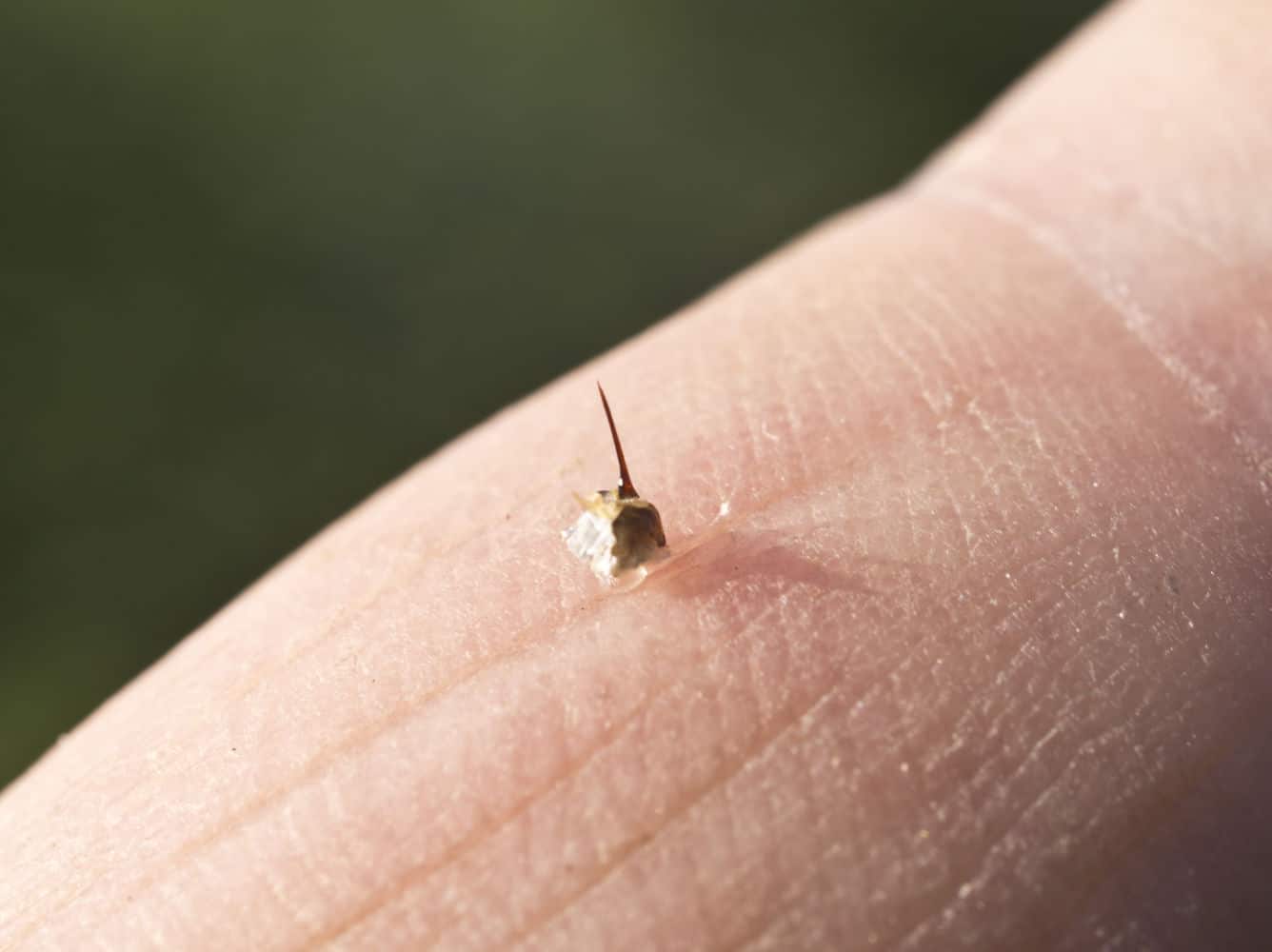
Honey bee stingers remain embedded in skin with attached venom sacs continuing to pump venom.
- Scrape stinger out using fingernail or credit card edge
- Don't pinch or squeeze the venom sac
- Remove quickly - every second increases venom injection
- Clean the area with soap and water immediately
Step 2: Apply Cold Treatment
Cold therapy reduces swelling and numbs pain effectively.
- Ice pack application for 10-15 minutes
- Wrap ice in cloth to prevent skin damage
- Repeat hourly for first 4-6 hours
- Elevate affected area when possible
Step 3: Pain and Swelling Management
Over-the-counter medications provide relief from bee sting symptoms.
- Antihistamines (Benadryl, Piriton) for allergic reactions
- Ibuprofen or paracetamol for pain and inflammation
- Topical treatments like calamine lotion or hydrocortisone cream
- Natural remedies including baking soda paste or aloe vera
Recognizing Allergic Reactions to Bee Stings
Bee sting allergies can escalate rapidly from mild to life-threatening within minutes.
Normal Bee Sting Reactions
- Localized pain and burning sensation
- Redness and swelling around sting site
- Itching lasting several hours
- Minor swelling extending 2-3 inches from sting
Severe Allergic Reactions (Anaphylaxis)
Emergency medical attention required immediately:
- Difficulty breathing or wheezing
- Swelling of face, lips, or throat
- Rapid pulse or dizziness
- Nausea, vomiting, or diarrhea
- Widespread hives or skin reactions
- Loss of consciousness
Emergency Response:
- Call 999 immediately
- Administer epinephrine (EpiPen) if available
- Keep person lying down with legs elevated
- Monitor breathing and be prepared for CPR
When Bee Stings Become Dangerous
Multiple bee stings or stings in sensitive locations require special attention.
High-Risk Bee Sting Situations
- Multiple stings (10+ can cause toxicity)
- Stings in mouth or throat potentially blocking airways
- Children and elderly at higher risk of complications
- Previous severe reactions to insect stings
- Stings near eyes potentially affecting vision
Signs Requiring Medical Attention
- Excessive swelling spreading beyond sting area
- Signs of infection (pus, red streaking, fever)
- Breathing difficulties of any severity
- Persistent severe pain lasting more than 24 hours
- Systemic symptoms like fever or muscle aches
Preventing Bee Stings
Bee sting prevention protects families while preserving beneficial pollinators.
Behavioral Precautions
- Stay calm around bees - avoid sudden movements
- Wear light colors and avoid floral patterns
- Cover food and drinks during outdoor activities
- Avoid perfumes and scented products when outdoors
- Check drinks before consuming, especially sweet beverages
Property Management
- Professional bee removal for problematic hives
- Seal entry points preventing indoor bee access
- Remove attractants like fallen fruit and standing water
- Maintain gardens without disturbing bee nesting areas
Professional Bee Control Services
When bee colonies threaten safety, professional removal protects families while preserving bees.
Emergency Bee Removal Situations
- Indoor bee swarms requiring immediate evacuation
- Large hives near children's play areas
- Aggressive bee behavior threatening residents
- Multiple bee stings indicating defensive colonies
- Allergic individuals at risk from nearby hives
Humane Bee Management
Exterminate Pest Control prioritizes bee conservation through:
- Live bee removal and relocation when possible
- Beekeeper coordination for colony preservation
- Safe removal methods protecting families and bees
- Emergency response for dangerous bee situations
Treatment for Specific Bee Sting Locations
Bee sting location affects treatment approach and complication risks.
Facial Bee Stings
- Monitor breathing carefully for airway swelling
- Apply cold gently to reduce facial swelling
- Seek medical attention if swelling spreads
- Avoid touching eyes after sting treatment
Hand and Foot Stings
- Remove rings immediately before swelling begins
- Elevate affected limb to reduce swelling
- Monitor circulation in fingers and toes
- Wear loose footwear accommodating swelling
Contact Professional Bee Control
Don't risk dangerous bee sting encounters. Professional bee removal eliminates threats while protecting beneficial pollinators.
Exterminate Pest Control - Emergency Bee Services
Immediate Bee Control:
- Same-day bee removal for emergency situations
- Humane relocation preserving bee populations
- Safety-first approach protecting families from stings
- 24/7 emergency response for dangerous bee swarms
Professional Bee Management:
- Phone: 085 263 5994
- Email: info@exterminate.ie
- Website: exterminate.ie
Emergency Services Available:
- Indoor bee swarm removal
- Aggressive hive relocation
- Property bee-proofing
- Consultation for bee-safe landscaping
Prevent dangerous bee sting encounters with professional bee control. Call Exterminate Pest Control at 085 263 5994 for safe, humane bee removal protecting your family while preserving Ireland's essential pollinators.
Contact Us
Bee Sting
Bee Stings A Guide - What To Do
Bee Pest Control Dublin, Kildare, Wicklow, Meath, Laois, Carlow, Offaly
info@exterminate.ie
0852635994