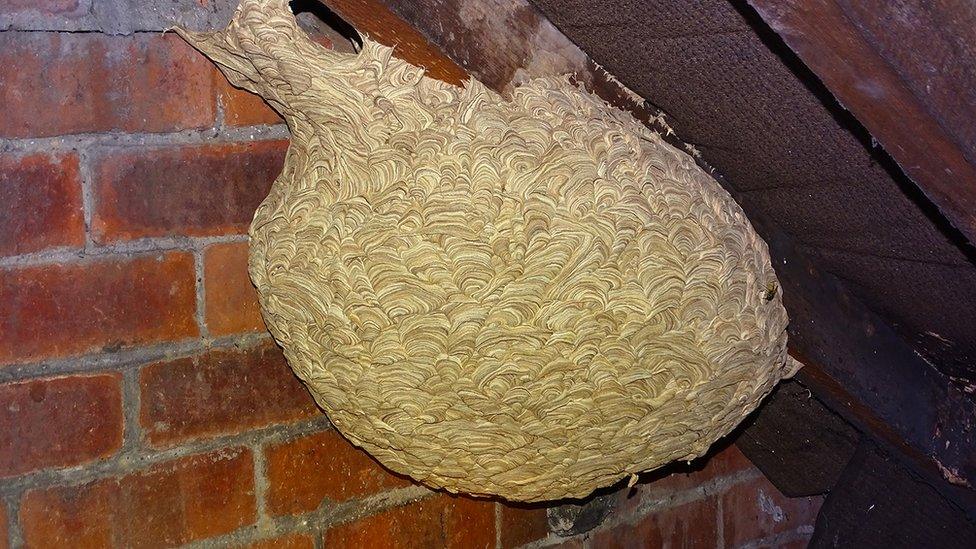
wasp nest

Wasp Nests: Complete Guide to Identification, Risks & Professional Removal
Discovering a wasp nest on your property can be alarming and potentially dangerous. These aggressive insects build complex colonies that can house thousands of wasps, posing serious risks to families, pets, and visitors. Understanding wasp nest behavior, identification, and safe removal methods is crucial for protecting your Irish home or business.
At Exterminate Pest Control, we've safely removed thousands of wasp nests across Ireland. Our expert team understands the dangers these stinging insects pose and provides fast, effective solutions to eliminate wasp problems permanently.
What Are Wasp Nests? Understanding Wasp Colony Structure
Wasp nests are sophisticated paper-like structures built by social wasps to house their colonies. These architectural marvels are constructed from chewed wood pulp mixed with saliva, creating a lightweight yet durable material that resembles papier-mâché.
Types of Wasp Nests in Ireland:
Common Wasp (Vespula vulgaris): Build nests in cavities such as roof spaces, wall cavities, and underground holes. Nests can contain 3,000-5,000 wasps at peak season.
German Wasp (Vespula germanica): Similar to common wasps but often build larger nests containing up to 25,000 wasps. Prefer sheltered locations like loft spaces and garden sheds.
Tree Wasp (Dolichovespula sylvestris): Build exposed nests in trees, shrubs, and sometimes under roof eaves. Smaller colonies typically containing 100-300 wasps.
Hornet (Vespa crabro): Europe's largest wasp species, building nests in tree hollows, roof spaces, and large cavities. Colonies contain 100-700 hornets.
Wasp Nest Life Cycle: When Nests Are Most Dangerous
Understanding the wasp nest life cycle helps explain why professional removal is essential and timing is critical.
Spring (March-May): Nest Foundation
- Queen wasps emerge from hibernation
- Single queens begin building small starter nests
- Initial nests contain only 20-50 cells
- Low wasp population but queens are protective
Summer (June-August): Rapid Expansion
- Worker wasps take over nest building and maintenance
- Colonies expand rapidly, doubling in size weekly
- Peak danger period with highest wasp numbers
- Most aggressive behavior due to large populations
Late Summer (August-September): Maximum Size
- Nests reach maximum size and wasp numbers
- New queens and males are produced
- Increased aggression as food sources decline
- Highest risk period for stings and attacks
Autumn/Winter: Colony Decline
- Most wasps die off naturally
- Only new queens survive to hibernate
- Old nests are abandoned and not reused
- Safe period for nest removal
Common Wasp Nest Locations Around Your Property
Wasps are opportunistic builders, choosing locations that provide protection and easy access to food sources.
Indoor Nest Locations:
- Loft spaces and attics - Most common location for large nests
- Wall cavities - Hidden nests that can grow undetected
- Garage roofs and corners - Sheltered areas with easy access
- Shed roofs and eaves - Protected outdoor structures
- Kitchen and utility room ceilings - Attracted to food sources
Outdoor Nest Locations:
- Tree branches and shrubs - Exposed hanging nests
- Garden sheds and outbuildings - Sheltered structures
- Roof eaves and soffits - Protected overhangs
- Ground cavities - Underground nests in banks and holes
- Compost bins and garden equipment - Undisturbed areas
Hidden Danger Zones:
- Behind fascia boards - Invisible until discovered
- Inside meter boxes - Utility areas rarely checked
- Chimney spaces - Unused chimneys provide ideal cavities
- Under decking - Protected spaces with multiple entry points
How to Identify Wasp Nests: Key Warning Signs
Early identification of wasp nests can prevent dangerous encounters and allow for safer removal when colonies are smaller.
Visual Identification:
- Paper-like grey/brown structures with honeycomb patterns
- Round or oval shapes ranging from golf ball to football size
- Single entrance hole typically at the bottom of the nest
- Visible wasp activity with insects flying in and out
- Scratching or rustling sounds from hidden nests
Behavioral Indicators:
- Increased wasp activity around specific areas
- Wasps carrying building materials (wood pulp)
- Aggressive behavior when approaching certain locations
- Regular flight patterns to and from hidden areas
- Unusual wasp concentrations in gardens or buildings
Seasonal Changes:
- Spring: Small starter nests, size of a tennis ball
- Early Summer: Rapid growth to basketball size
- Peak Summer: Large football-sized or bigger nests
- Late Summer: Maximum size with highest wasp numbers
Dangers of Wasp Nests: Why Professional Removal is Essential
Wasp nests pose serious health and safety risks that increase dramatically as colonies grow larger.
Immediate Health Risks:
- Multiple stings from disturbed colonies
- Allergic reactions ranging from mild to life-threatening
- Anaphylactic shock in sensitive individuals
- Secondary infections from sting sites
- Respiratory problems from wasp nest disturbance
Wasp Sting Statistics:
- A single wasp can sting multiple times
- Large nests can release hundreds of aggressive wasps
- Wasp venom is more potent than bee venom
- 1-3% of population has severe allergic reactions
- Wasp stings cause more deaths than snake bites in Ireland
Property Risks:
- Structural damage from large nests in wall cavities
- Electrical hazards from nests near wiring
- Insulation damage in loft spaces
- Access restrictions to important building areas
- Insurance complications from wasp-related incidents
DIY Wasp Nest Removal: Why It's Extremely Dangerous
Many homeowners attempt DIY wasp nest removal, often resulting in dangerous situations and incomplete elimination.
Common DIY Mistakes:
- Inadequate protective equipment leading to multiple stings
- Partial nest destruction causing wasps to rebuild elsewhere
- Inappropriate timing during peak activity periods
- Wrong removal methods that anger entire colonies
- Inability to reach hidden nests safely
Why DIY Removal Fails:
- Insufficient knowledge of wasp behavior and biology
- Lack of professional equipment for safe access and treatment
- Incomplete treatment leaving queen and eggs viable
- No follow-up monitoring to prevent re-establishment
- Limited access to effective wasp control products
Emergency Situations:
- Wasps nesting near children's play areas
- Nests blocking essential building access
- Large colonies in high-traffic areas
- Allergic individuals in the household
- Multiple nests on single property
Professional Wasp Nest Removal: The Safe, Effective Solution
Professional wasp control eliminates the risks associated with DIY removal while ensuring complete nest elimination.
Our Professional Approach:
- Comprehensive Property Inspection - Identifying all nest locations and entry points
- Risk Assessment - Evaluating dangers and developing safe removal strategies
- Protective Equipment - Full bee suits and professional-grade protection
- Specialized Tools - Long-reach applicators and commercial-grade treatments
- Complete Elimination - Killing all wasps including queens and larvae
- Nest Removal - Safe extraction and disposal of nest structures
- Prevention Advice - Recommendations to prevent future infestations
Professional Equipment and Methods:
- Commercial insecticides not available to consumers
- Protective clothing designed for multiple sting protection
- Long-reach application tools for safe distance treatment
- Professional ladder systems for high access work
- Specialized vacuum equipment for nest removal
- Emergency response capability for urgent situations
Treatment Techniques:
- Powder treatments for ground and cavity nests
- Foam applications for wall cavity infestations
- Spray treatments for exposed aerial nests
- Injection methods for hard-to-reach locations
- Heat treatments for specific situations
Wasp Nest Prevention: Protecting Your Property
Preventing wasp nests is more effective and safer than dealing with established colonies.
Property Maintenance:
- Seal potential entry points in roofs, walls, and foundations
- Remove food sources including fallen fruit and pet food
- Maintain clean outdoor eating areas and garbage bins
- Trim vegetation away from building structures
- Regular property inspections during spring months
Early Season Prevention:
- Queen wasp trapping in early spring
- Blocking previous nest sites with appropriate materials
- Professional property assessment for vulnerable areas
- Monitoring for early nest building activity
- Immediate action on small starter nests
Garden Management:
- Remove wasp-attracting plants near building entrances
- Maintain compost bins properly to avoid attracting wasps
- Clear fallen fruit regularly from garden areas
- Secure outdoor dining areas with appropriate covers
- Professional consultation for high-risk properties
Emergency Wasp Situations: When to Call Immediately
Some wasp situations require immediate professional intervention to prevent serious incidents.
Urgent Response Needed:
- Nests near schools or playgrounds with children at risk
- Multiple large nests on single property
- Nests blocking emergency exits or essential access
- Wasps entering living spaces through hidden nest sites
- Allergic individuals facing wasp exposure risks
Signs of Extreme Danger:
- Aggressive wasp behavior with unprovoked attacks
- Large swarms of wasps in residential areas
- Nests in utility areas creating electrical hazards
- Multiple species of stinging insects present
- Structural damage from large nest construction
Wasp Nest Removal Costs: Investment in Safety
Professional wasp nest removal costs vary based on several factors but represent excellent value when considering safety risks.
Cost Factors:
- Nest size and location affecting access difficulty
- Number of nests requiring treatment
- Height and access requirements for safe removal
- Property type and structural considerations
- Emergency response timing and urgency
Value of Professional Service:
- Safety guarantee with no sting risk
- Complete elimination ensuring no re-establishment
- Insurance coverage for professional work
- Time savings avoiding repeated DIY attempts
- Expert advice for future prevention
Choosing the Right Wasp Control Professional
Selecting experienced wasp control professionals ensures safe, effective nest removal.
Essential Qualifications:
- Licensed pest control operators with proper certifications
- Insurance coverage for liability and property protection
- Experience with wasp species common in Ireland
- Emergency response capability for urgent situations
- Guarantee policies ensuring customer satisfaction
Questions to Ask:
- What protective equipment do you use?
- Do you guarantee complete nest elimination?
- Can you access difficult nest locations safely?
- What follow-up services do you provide?
- Are your technicians trained in wasp behavior?
Wasp Control Throughout Ireland
Exterminate Pest Control provides comprehensive wasp nest removal services across Ireland, with experienced technicians understanding local wasp species and seasonal patterns.
Our Service Advantages:
- Same-day emergency response for urgent wasp situations
- Fully qualified technicians with specialized wasp control training
- Complete safety equipment for risk-free nest removal
- Guaranteed results with follow-up monitoring
- Competitive pricing for professional wasp control services
- Insurance coverage providing customer protection
Coverage Areas:
We provide wasp nest removal services throughout Ireland, with rapid response times for emergency situations and comprehensive treatment for all wasp species.
Seasonal Wasp Activity in Ireland
Understanding seasonal wasp patterns helps predict nest development and plan appropriate control measures.
Spring Activity (March-May):
- Queen wasps emerge from winter hibernation
- Nest building begins in suitable locations
- Small colonies develop with minimal danger
- Best time for prevention and early intervention
Summer Peak (June-August):
- Rapid colony expansion and growth
- Maximum building and foraging activity
- Increased human-wasp interactions
- Professional removal strongly recommended
Late Summer Aggression (August-September):
- Largest colony sizes and wasp numbers
- Increased aggression due to declining food sources
- Highest risk period for multiple stings
- Most dangerous time for DIY removal attempts
Autumn Decline (October-November):
- Natural colony death and abandonment
- New queen dispersal for hibernation
- Reduced wasp activity and aggression
- Safest period for nest inspection and removal
Contact Exterminate Pest Control for Professional Wasp Removal
Don't risk the dangers of DIY wasp nest removal. Our expert team provides safe, effective solutions for all wasp problems across Ireland.
Why Choose Exterminate Pest Control:
- Experienced professionals with thousands of successful nest removals
- Complete safety protocols eliminating sting risks
- Emergency response service for urgent situations
- Guaranteed elimination of entire wasp colonies
- Competitive pricing with no hidden costs
- Full insurance coverage for your peace of mind
Get Professional Wasp Nest Removal Today:
- Website: exterminate.ie
- Email: info@exterminate.ie
- Phone: 085 263 5994
Available for:
- Emergency same-day wasp nest removal
- Routine property wasp inspections
- Multiple nest removal projects
- Commercial and residential properties
- Follow-up monitoring and prevention advice
Don't let wasps threaten your family's safety. Contact Exterminate Pest Control at 085 263 5994 for immediate, professional wasp nest removal across Ireland. Our experienced team eliminates wasp dangers quickly and safely, giving you peace of mind.
Wasp Nests